

Chain Store: How Retail Chains Shape Markets and Communities
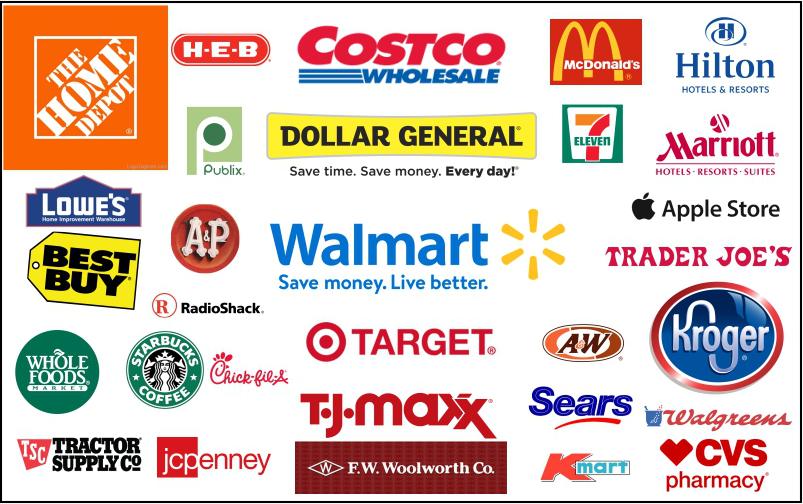
Introduction: Why chain stores matter
Chain stores are a central feature of modern retail, influencing prices, product availability and shopping patterns. Their importance lies in scale: by operating multiple outlets under a common brand and management, chain stores can offer consistent experiences to customers across regions. Understanding chain stores is relevant to consumers, independent traders, planners and policymakers because their expansion affects competition, employment and the character of high streets and town centres.
Main body: Structure, effects and recent developments
What is a chain store?
A chain store is a retail outlet that is part of a network of stores sharing a brand, central purchasing and standard operating procedures. Examples span supermarkets, convenience stores, pharmacies and fashion retailers. The model emphasises uniformity in product selection, pricing strategies and customer service.
Advantages for consumers and operators
Chain stores typically deliver economies of scale, allowing lower per-unit costs for procurement, distribution and marketing. For shoppers this can mean competitive pricing, wide product ranges and predictable standards. For operators, centralised logistics and brand recognition support rapid expansion and investment in technology, such as inventory management and online ordering systems.
Challenges and local impacts
Despite benefits, chain stores can create pressures for independent retailers by capturing footfall and market share. Standardisation may reduce local choice and entrepreneurial diversity on high streets. Planning authorities and communities often weigh economic benefits against concerns about homogenisation and the vitality of town centres. Employment patterns can also change, with chain stores offering many entry-level roles but varying in the quality and stability of work.
Recent trends
Retail chains are increasingly adopting omnichannel strategies, integrating physical stores with e-commerce, click-and-collect and data-driven marketing. Sustainability and supply-chain transparency are rising priorities, as consumers and regulators expect environmental and social responsibility from large retailers. Economic cycles, technological change and shifts in consumer behaviour continue to shape how chain stores operate.
Conclusion: Outlook and significance
Chain stores will remain influential in shaping retail landscapes. Future developments are likely to include greater digital integration, targeted local formats and heightened regulatory attention to competition and planning. For readers, the key implication is to balance the convenience and value offered by chain stores with the need to support diverse local economies and sustainable retail practices.