

Russell and Bromley acquired by Next; high-street future uncertain
Introduction
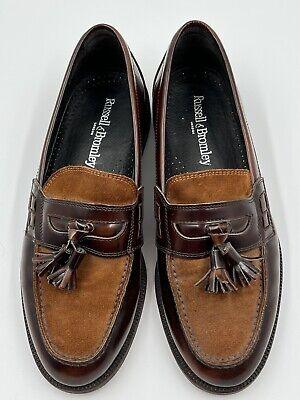
The fate of russell and bromley, a long-established British luxury footwear and handbag retailer, has drawn attention as it shifts from family ownership into new hands. The development matters for shoppers, staff and the wider high street: the brand’s legacy stretches back more than 150 years, and the latest corporate moves could reshape how and where the products are sold.
Background and history
Russell & Bromley was founded in 1873 and first displayed the family name above its Eastbourne shop in 1880. The business moved towards the luxury market after the brothers opened a Bond Street store in 1947, establishing the firm’s reputation as a high‑end retailer. The company later expanded to dozens of outlets across the UK and Ireland, trading as both standalone shops and concessions.
Recent developments and deal details
Interest in russell and bromley from larger groups emerged in 2025, when reports said Next plc and Modella Capital had each shown interest. Under those initial proposals Next would take the brand and website while Modella would take on stores, a move that raised concerns about potential store closures and the end of the retailer’s long high‑street presence if the stores were subsequently liquidated.
In January 2026 it was announced that Next had acquired Russell & Bromley through a pre‑pack insolvency process. The rescue deal transferred the brand and online business to Next. Next also purchased some stock for around £1.3m. Under the terms reported, only three Russell & Bromley shops were acquired by Next; the retailer currently runs 36 stores and nine concessions across the UK and Ireland, employing about 440 people. That leaves the future of roughly 33 shops and nine concessions, and the jobs tied to them, uncertain while administrators and potential buyers consider next steps.
Impact and conclusion
The immediate effect is that the russell and bromley brand and online presence will continue under Next’s ownership, with some product likely to appear in Next stores and online. However, the uncertain status of most physical shops represents a significant change for a business founded in the 19th century. For shoppers this may mean greater availability through a larger retailer rather than independent high‑street stores; for employees and local economies the outcome will depend on whether remaining outlets are sold, closed or restructured. Observers will watch administration processes and potential buyers for signs of how the retailer’s footprint will evolve.