

King Charles: His role, priorities and what they mean for the UK
Introduction: Why King Charles matters
King Charles III remains a central figure in British public life. As monarch, he performs constitutional and ceremonial duties, represents the nation abroad and serves as a symbol of continuity. His reign matters not only for protocol and national identity but also for the causes he champions — notably the environment, youth opportunity and sustainable development — which influence public debate and charitable activity across the UK and the Commonwealth.
Main developments and public role
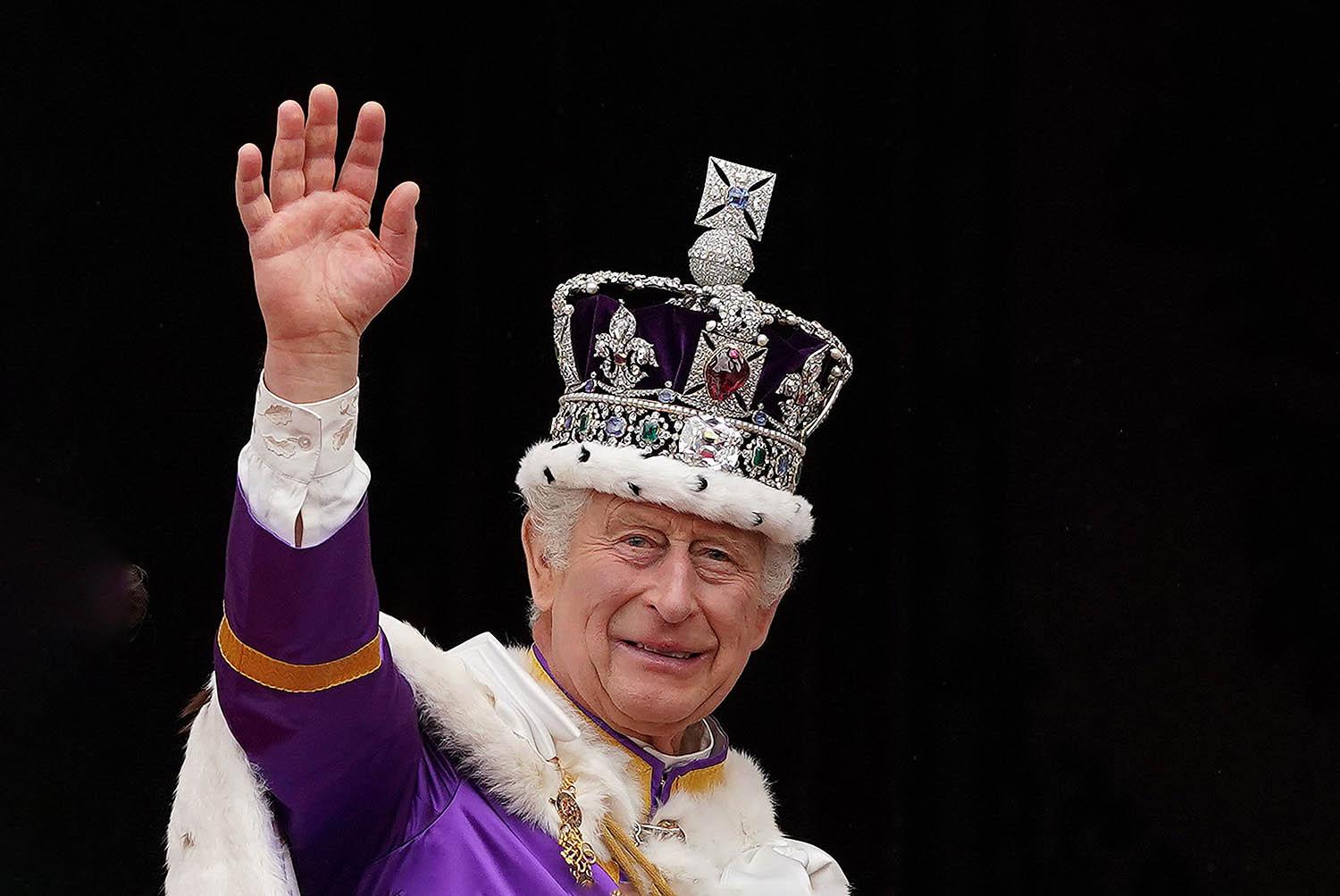
Charles acceded to the throne following the death of Queen Elizabeth II on 8 September 2022 and was crowned in a coronation ceremony on 6 May 2023. Having served for decades as Prince of Wales, he brings long-standing personal priorities into his role as king. These include environmental protection, sustainable agriculture, responsible urban planning and heritage architecture. He is also closely associated with The Prince’s Trust, the charity he established in 1976 to support young people into employment and training.
Constitutional and ceremonial duties
As sovereign, King Charles undertakes duties such as the State Opening of Parliament, receiving foreign envoys and hosting state visits. These responsibilities require political neutrality while enabling the monarch to act as a focal point for national occasions. His office supports a wide range of patronages and public engagements, bringing attention and funding to charities and local initiatives across the United Kingdom and other Commonwealth realms.
Public priorities and engagement
The king’s public statements and patronages continue to emphasise environmental sustainability and community resilience. His advocacy for conservation and nature-based solutions reflects arguments he promoted as Prince of Wales, now presented from the platform of the Crown. Equally, his long-standing interest in supporting disadvantaged young people remains central to royal charitable work.
Conclusion: Significance and outlook
King Charles’s reign is likely to be judged by how successfully the monarchy balances tradition with contemporary expectations. His personal priorities — environment, community and youth empowerment — provide a clear thematic direction, but the institution’s future will also depend on public confidence, transparent royal operations and the ability to adapt to changing social and political contexts. For readers, that means continued public scrutiny, civic interest in the monarchy’s role, and ongoing attention to the causes the king highlights.