

Prince Edward: Role, Work and Public Significance
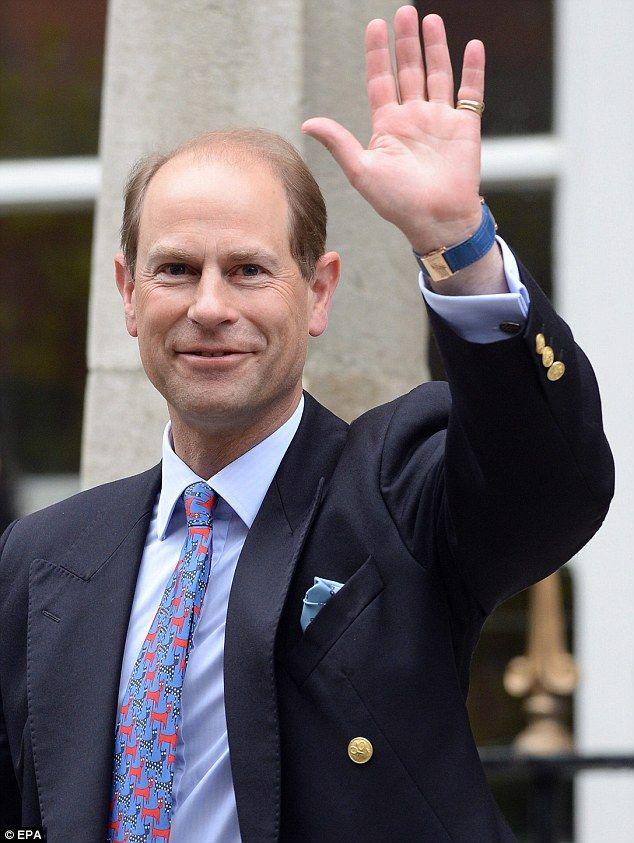
Introduction: Why Prince Edward matters
Prince Edward, the youngest child of Queen Elizabeth II and Prince Philip, is a senior member of the British royal family whose duties, patronages and public work contribute to national life. Coverage of his engagements and charitable interests is relevant to audiences tracking the roles and responsibilities of the monarchy and the organisations that rely on royal support.
Main body: Background and public activity
Personal and family background
Born on 10 March 1964, Prince Edward is the fourth son and youngest sibling in his generation of the royal family. He married Sophie Rhys-Jones in 1999; the couple have two children, Lady Louise and James, who is known by the courtesy title Viscount Severn. Educated at Gordonstoun and later at Jesus College, Cambridge, Prince Edward has combined private pursuits with a public schedule of engagements.
Titles, patronage and areas of focus
On his marriage in 1999 he received the title Earl of Wessex; he was also given the additional Scottish title Earl of Forfar in 2019. Over the years he has developed particular associations with youth, education and the arts. He is connected with a range of charities, trusts and cultural organisations and has been visible in promoting vocational training, youth opportunities and performing arts initiatives.
Public engagements and institutional links
Prince Edward regularly undertakes official engagements across the United Kingdom and overseas on behalf of the royal family. His public-facing work includes patronages that support community projects, young people’s programmes and arts organisations. Such involvement helps raise the profile of those organisations and can assist fundraising and public awareness efforts.
Conclusion: Significance and outlook
Prince Edward’s role as a working royal means his activities continue to carry practical and symbolic weight for charities, cultural institutions and youth programmes. For readers, developments in his patronages and engagements provide insight into how the monarchy supports civil society and how those links adapt over time. Observers will watch future engagements and announcements to see how his priorities evolve and which organisations benefit from ongoing royal association.