

Princess Anne: Duty, Service and the Royal Role
Introduction — Why Princess Anne matters
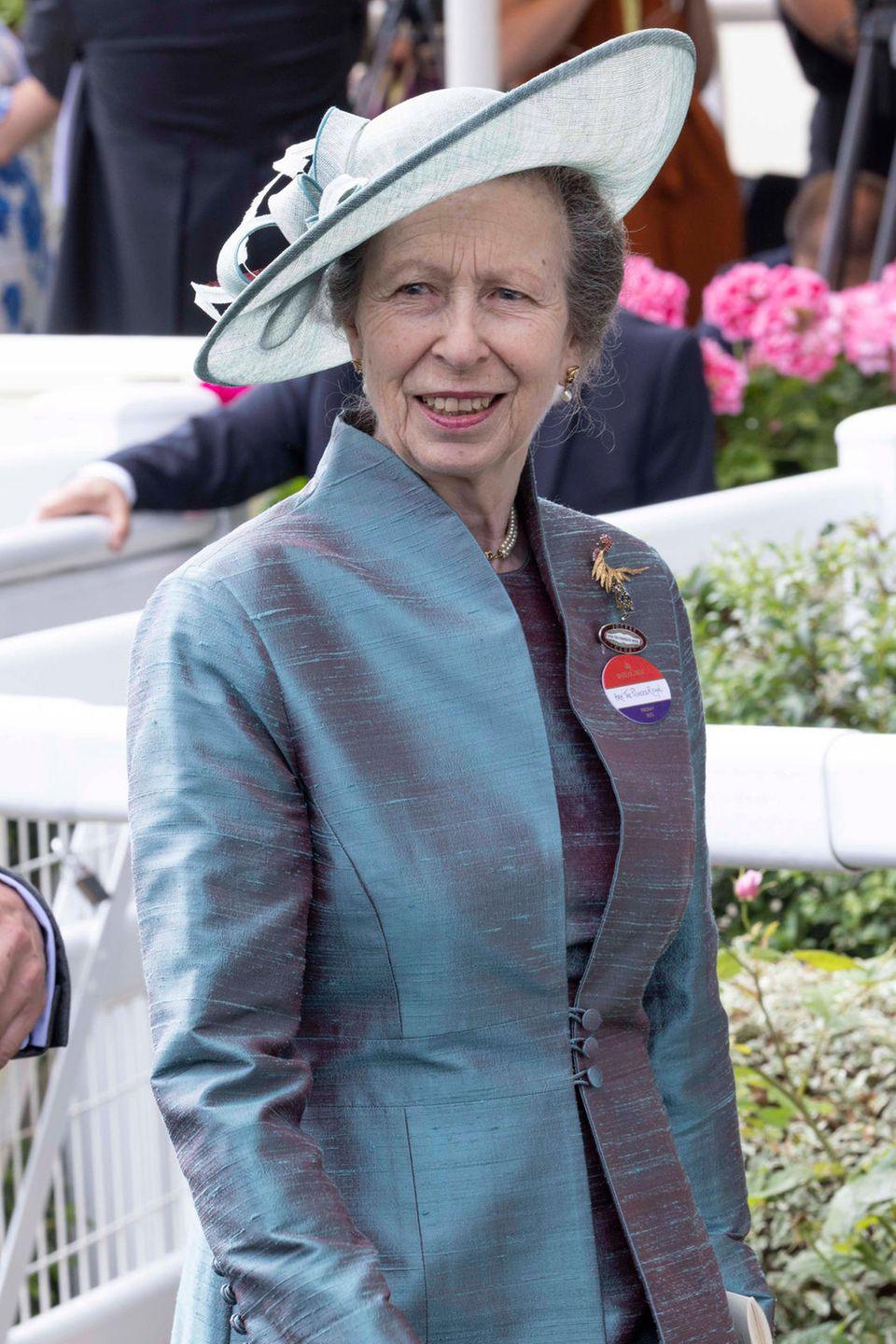
Princess Anne, the Princess Royal, is one of the most recognisable and long-serving members of the British royal family. Her public role matters because she represents continuity in the monarchy, supports hundreds of charities and organisations, and exemplifies public service through a lifetime of official engagements. Coverage of Princess Anne is relevant to readers interested in constitutional monarchy, charitable work and the public duties carried out by senior royals.
Main body — Background, roles and recent activity
Background and official title
Born on 15 August 1950, Anne is the second child and only daughter of Queen Elizabeth II and Prince Philip. In 1987 she was granted the title Princess Royal, traditionally given to the monarch’s eldest daughter. Her public life has combined ceremonial duties, patronage of organisations and regular appearances at state and community events.
Equestrian career and sporting history
Princess Anne is best known among royals for her equestrian involvement. She competed at the 1976 Montreal Olympic Games, becoming one of the first senior royals to take part in Olympic competition. Her sporting background has informed a long-term connection to equestrian charities, events and governing bodies within the sport.
Public service and patronages
Throughout her life Princess Anne has held numerous patronages across the humanitarian, health, military and sporting sectors. She is widely regarded as a tireless worker within the royal household, frequently undertaking a large number of engagements each year. Her involvement ranges from supporting service personnel to promoting charitable causes and community organisations.
Personal life in brief
Anne married Captain Mark Phillips in 1973 and they had two children, Peter and Zara. After their divorce she married Vice-Admiral Sir Timothy Laurence in 1992. Her family connections and private life are often of interest, but her public profile remains defined primarily by duty and service.
Conclusion — Significance and outlook
Princess Anne’s steady public presence continues to be significant for the monarchy and the many organisations she supports. Her commitment to charity work, equestrian sport and military patronages suggests she will remain a central, stabilising figure in royal life for the foreseeable future. For readers, her career offers an example of sustained public service and the practical role that senior royals play in civic and charitable life.