

Swiss train avalanche: how railways manage mountain snow hazards
Introduction
A swiss train avalanche threat is a persistent safety and operational concern for Alpine railways. Mountain snowloads and steep terrain make certain lines particularly vulnerable during winter and spring thaw, affecting passenger safety, freight movement and tourism. Understanding how authorities monitor risk and respond to incidents is important for travellers, local communities and businesses that depend on reliable rail links.
Main body
Avalanche risk on Alpine rail lines
Rail corridors that traverse high-altitude valleys and passes can intersect avalanche paths. Heavy snowfall, rapid warming, wind redistribution of snow and rain-on-snow events raise the probability of avalanches that could impact tracks, tunnels and infrastructure. While modern design reduces exposure, sections of line that follow steep slopes or climb exposed gradients remain at higher risk.
Preventive measures and monitoring
Swiss rail operators and mountain services use a combination of engineering, forecasting and active mitigation to manage the risk. Structural protections such as snow sheds, avalanche galleries and reinforced embankments shield tracks in known danger zones. Real-time weather monitoring, snowpack observations and avalanche forecasting systems inform operational decisions. Controlled avalanche triggering — using explosives or remote-release systems — is widely used to reduce the build-up of unstable snow under controlled conditions before services resume.
Operational response and passenger impact
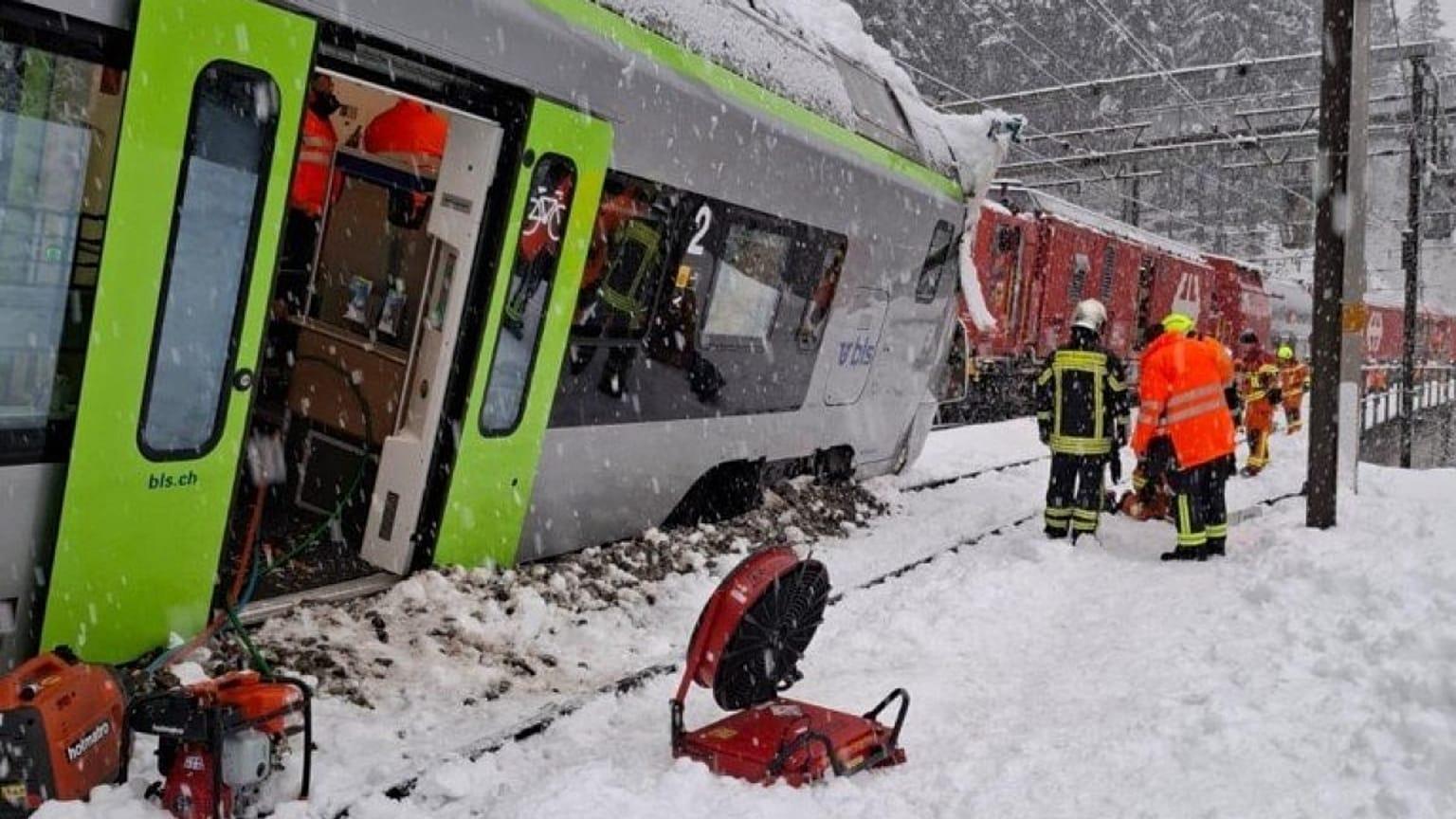
When a swiss train avalanche risk materialises, rail operators prioritise safety by suspending services on affected sections, conducting route inspections and clearing debris. Disruption can range from short delays to temporary closures while protective works are completed. Contingency plans commonly include replacement bus services, timetable adjustments and passenger information updates. For freight, rerouting or schedule changes help mitigate economic impacts.
Conclusion
Although the possibility of a swiss train avalanche remains a seasonal challenge, advances in engineering, forecasting and operational practice have reduced both the frequency and severity of disruptions. Travellers should check operator advisories in winter months, allow extra journey time in exposed areas and follow official guidance during severe weather. Continued investment in monitoring and protective infrastructure will be central to keeping Alpine railways safe and reliable year round.