

Assessing the Risk of an Asteroid Hit North Sea Tsunami
Introduction
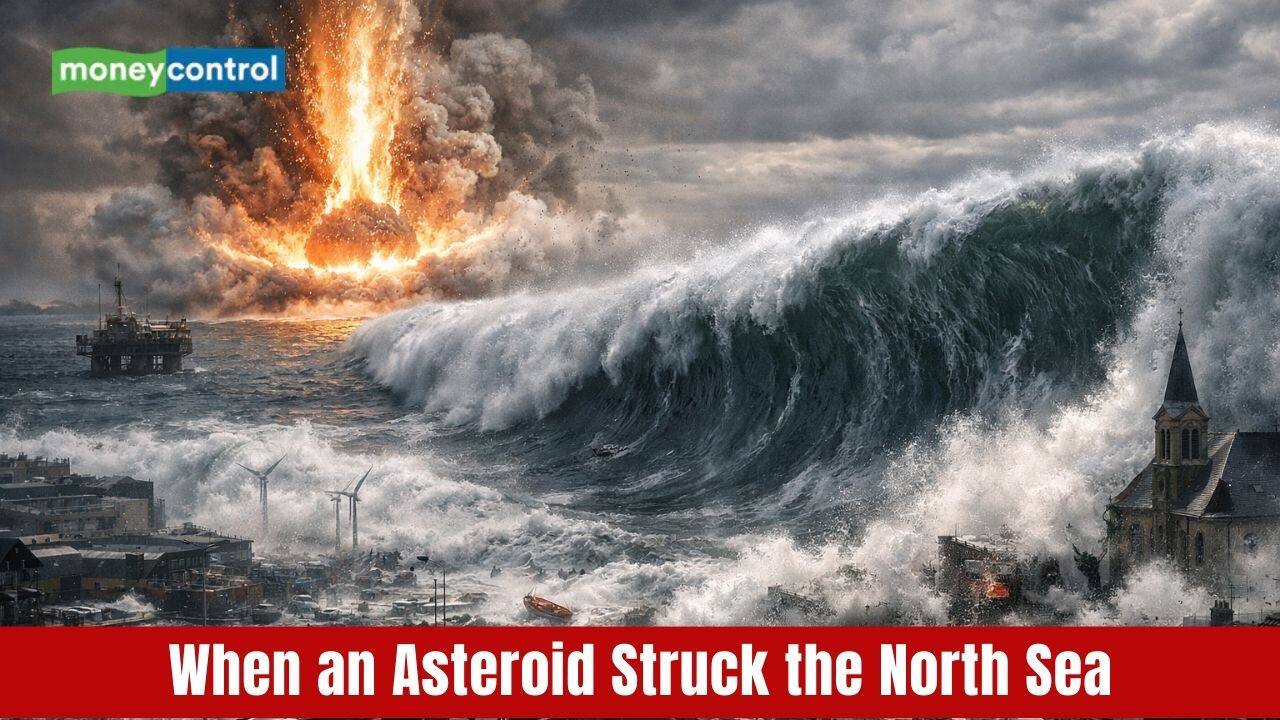
The prospect of an asteroid hit North Sea tsunami, while remote, has significant implications for millions living around the North Sea coastline. Coastal population centres, critical infrastructure and major ports could face rapid inundation in a worst‑case scenario, making understanding and preparedness a public safety priority. This article explains why the issue matters and what authorities and scientists say about the potential risk.
Main developments and expert analysis
Why the North Sea is a point of concern
The North Sea borders densely populated areas of the United Kingdom, the Netherlands, Germany, Denmark and Norway. Although large asteroid impacts are rare, even smaller ocean impacts can displace large volumes of water. Experts stress that coastal geometry, shallow continental shelves and estuaries can influence how waves propagate, amplifying effects in some locations and producing strong local currents and surge in river mouths and ports.
Modelling, warning times and response
Recent academic and government modelling exercises—often framed as hypothetical scenario planning—show that an impact in the North Sea could generate coastal waves that arrive within tens of minutes to a few hours, leaving limited time for evacuation near the impact site. This short warning window highlights the need for rapid detection of near‑Earth objects (NEOs), robust tsunami modelling for regional seas and clear local evacuation plans. International monitoring programmes, such as those coordinated by space agencies and meteorological services, provide the data that underpins these models.
Preparedness and mitigation measures
Authorities emphasise preparedness over alarm. Measures include improving real‑time monitoring, running multi‑agency drills, updating coastal flood warnings to include impact scenarios, and ensuring communication systems function under short notice. Long‑term mitigation relies on international cooperation on NEO detection and accurate impact assessments.
Conclusion
While the probability of an asteroid hit North Sea tsunami is low, its potential consequences warrant continued scientific study and civil preparedness. Investment in detection, modelling and local emergency planning will reduce risk and improve resilience for coastal communities. For readers living by the North Sea, familiarising yourself with local flood warnings and evacuation routes is a practical step towards staying safe in any rapid‑onset coastal emergency.