

Breakthrough Discovery: Scientists Spot Rare Beaked Whales Alive for the First Time
Introduction: The Mystery of the Deep
Beaked whales are among the most enigmatic creatures inhabiting our oceans. These deep-diving mammals spend most of their lives in the ocean’s depths, making them incredibly difficult to study. Recently, scientists achieved a remarkable breakthrough that has shed new light on these mysterious cetaceans and underscored the importance of marine conservation efforts.
Historic First Sighting
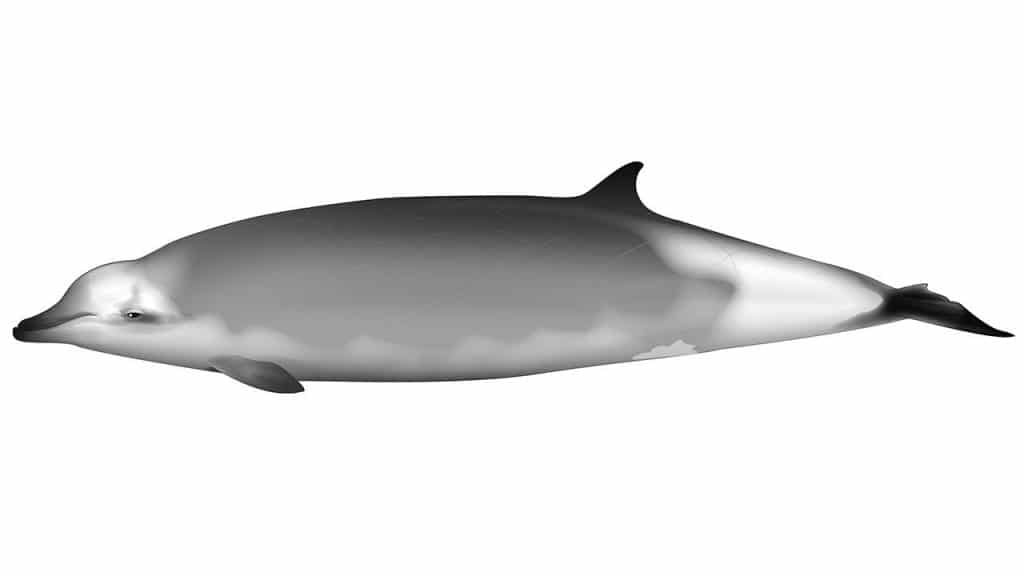
Researchers have identified ginkgo-toothed beaked whales alive at sea for the first time after years of searching. The ginkgo-toothed beaked whales were previously only known from dead individuals that had washed ashore and from bycatch. Scientists spent every year since 2020 searching off Baja to find them, demonstrating extraordinary persistence in marine research.
Solving the Acoustic Mystery
The discovery began with sound rather than sight. The animals surfaced during a survey that finally ended a five-year search for an unexplained underwater sound labeled BW43. The team recorded 21 BW43 detection events and saw five groups of Mesoplodon beaked whales, obtaining DNA samples through crossbow biopsy that confirmed the species identity. This breakthrough connects acoustic monitoring with visual identification, providing scientists with powerful new tools for tracking these elusive creatures.
Understanding Beaked Whales
The Society for Marine Mammalogy Committee on Taxonomy recognizes 24 extant species of beaked whales in six genera, with several species formally described only in the last two decades. Beaked whales are widely regarded as among the largest animals on Earth that scientists still know very little about due to their deep-diving behavior and offshore habits.
Conservation Concerns
Beaked whales face significant threats from human activities. Strandings of this species in the Bahamas have been associated with use of active sonar during naval military activities. One theory suggests that navy sonar prompts the mammals to surface too quickly, causing bubbles in their blood similar to when scuba divers suffer from ‘the bends’. Marine biologists emphasize the critical need for protecting these vulnerable species.
Conclusion: Hope for the Future
This historic discovery demonstrates how modern technology and scientific determination can unlock ocean mysteries. By determining that ginkgo-toothed beaked whales are using the habitat off the west coast of North America, researchers have basically doubled their known distribution through the North Pacific Ocean. This finding provides crucial information for conservation efforts and reminds us how much remains unknown about our planet’s marine ecosystems. As research continues, scientists hope to better understand and protect these remarkable deep-sea dwellers for future generations.