

Rare giant phantom jelly sighting in Monterey Bay and off Argentina
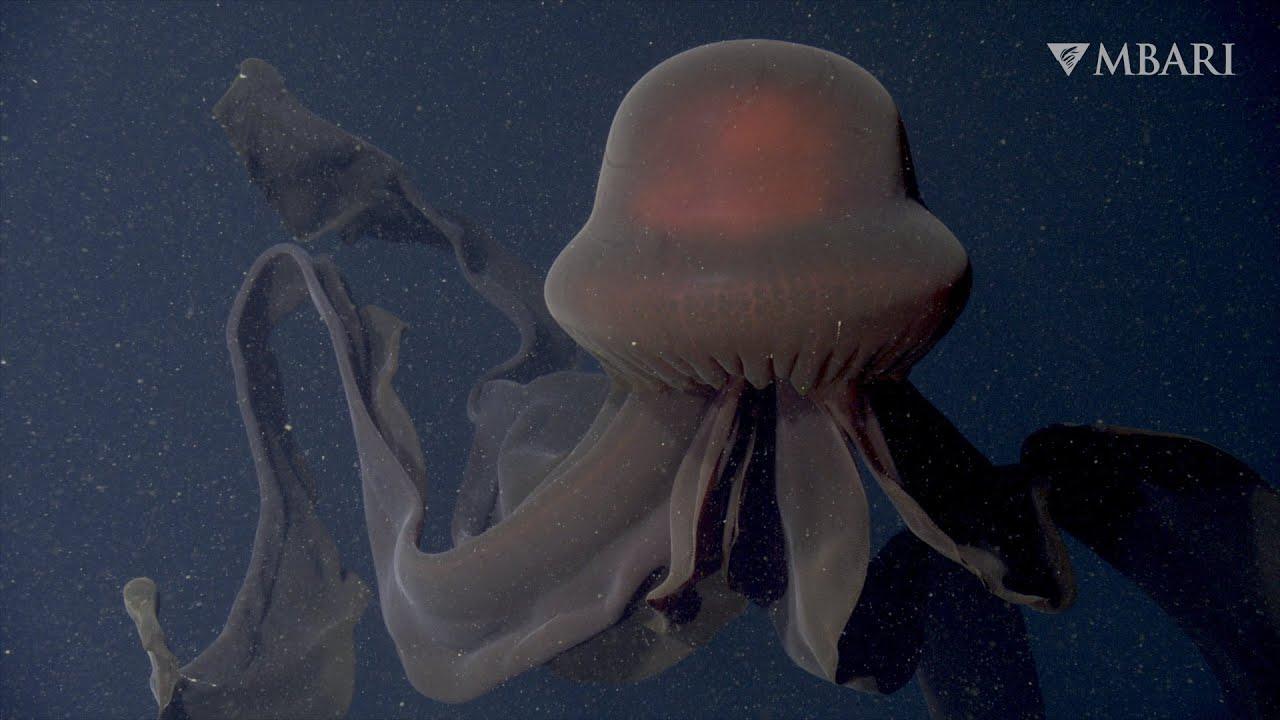
Introduction: Why this sighting matters
The giant phantom jelly sighting is a striking reminder of how much of the deep ocean remains mysterious. These rare encounters matter because they reveal the existence, size and behaviour of a species that is difficult to study using traditional methods. As deep‑sea exploration expands, each intact observation helps researchers understand distribution, biology and the limits of current technology in studying fragile, gelatinous animals.
Main details of the sightings
MBARI encounter in Monterey Bay
In November 2021, researchers from the Monterey Bay Aquarium Research Institute (MBARI) used their remotely operated vehicle (ROV) Doc Ricketts to record a giant phantom jelly (Stygiomedusa gigantea) at about 990 metres (3,200 feet) deep in Monterey Bay. The animal’s bell measured more than one metre (3.3 feet) across. From that bell trailed four ribbon‑like oral arms that can reach lengths in excess of 10 metres (33 feet). MBARI teams have logged thousands of ROV dives, yet they have recorded this spectacular species only nine times from their vehicles.
Other encounters and global distribution
The giant phantom jelly was first collected in 1899, and since then scientists worldwide have encountered it roughly 100 times. Records indicate it has a broad distribution, having been observed in all ocean basins except the Arctic. A recent deep‑sea expedition off Argentina also reported a rare giant phantom jelly sighting, one of that mission’s most notable discoveries.
Why ROVs matter
Historically, deep‑sea research relied heavily on trawl nets. While effective for hardier fishes, crustaceans and squids, trawl methods reduce jellies to gelatinous goo, removing crucial anatomical and behavioural information. High‑definition and now 4K video from ROVs lets scientists study these animals intact and in situ, capturing visual details and behaviours impossible to observe from trawl‑caught specimens.
Conclusion: Significance and outlook
Each giant phantom jelly sighting adds valuable, verifiable data about a rarely seen deep‑sea species. Continued use of ROVs and similar technologies promises further intact observations, improving knowledge of distribution, life history and ecological roles. For the public and policymakers, these sightings emphasise the need to support deep‑sea research so that fragile, wide‑ranging species like Stygiomedusa gigantea can be documented and better understood.