

The Carrington Event: Are We Prepared for History’s Most Powerful Solar Storm to Strike Again?
Understanding the Historic Carrington Event
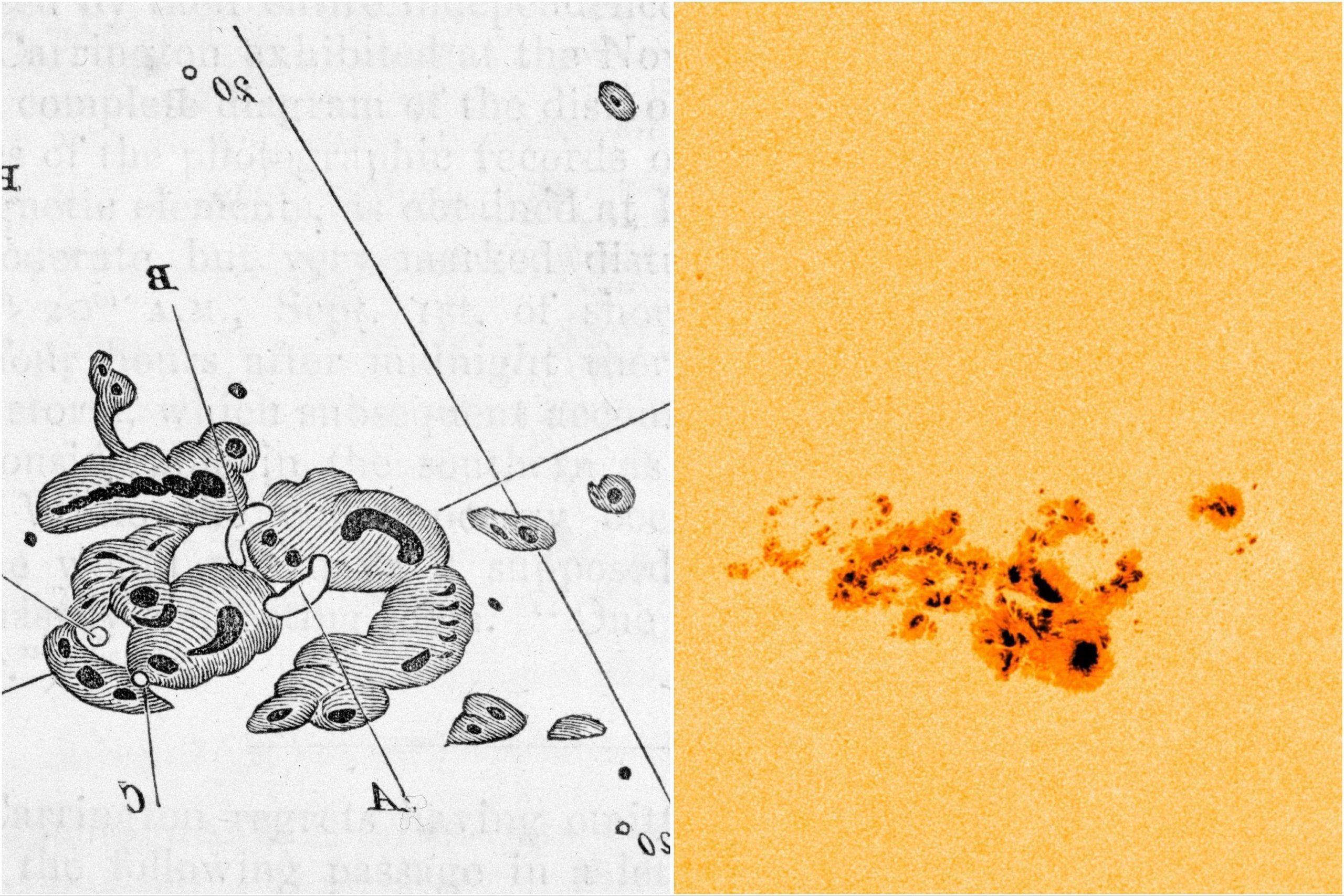
The Carrington Event was the most intense geomagnetic storm in recorded history, peaking on 1–2 September 1859. It was observed and recorded independently by British astronomers Richard Carrington and Richard Hodgson—the first records of a solar flare. The event caused spectacular auroras visible near the equator and created strong auroral displays that were reported globally and caused sparking and even fires in telegraph stations.
Growing Concerns in Modern Times
Recent developments have heightened concerns about a potential repeat of this catastrophic event. New ESA simulations suggest that a solar storm on par with the 1859 Carrington Event could wreak havoc on Earth-orbiting satellites, and experts say such a powerful solar storm is inevitable and will hit our planet sooner or later. Just days ago, a sunspot complex, AR 4294-4296, has recently appeared on the Sun, drawing attention due to its size and potential for powerful solar flares, comparable to the one that triggered the original Carrington Event.
The Staggering Cost of Modern Vulnerability
The implications of a Carrington-level event today would be far more severe than in 1859. A joint venture from researchers at Lloyd’s of London and Atmospheric and Environmental Research in the US used data from the Carrington Event to estimate the cost of a similar event in the present to the US alone at US$600 billion to $2.6 trillion. A geomagnetic storm of this magnitude occurring today has the potential to cause widespread electrical disruptions, blackouts, and damage to the electrical power grid.
Protecting Critical Infrastructure
“The key takeaway is that it’s not a question of if this will happen but when,” Gustavo Baldo Carvalho, a spacecraft operations expert who led the Sentinel-1D simulations, said. However, there is reason for cautious optimism. Ongoing advances in technology, combined with deliberate preparedness, could mitigate the worst effects, with resilient power-grids blocking geomagnetic-induced currents and radiation-resistant satellites manoeuvring out of harm’s way. Space weather forecasting keeps improving, giving operators crucial hours or days to implement protective measures.
Looking Ahead: Preparedness and Probability
Based on readings from 1859, researchers concluded that Carrington-level events likely occur once every 100 to 1000 years. Whilst experts are not predicting a repeat of the Carrington Event at this stage with the current sunspot activity, the scientific community emphasises the critical importance of continued monitoring, improved forecasting capabilities, and infrastructure hardening to protect modern technological society from this inevitable natural phenomenon.