

The Impact of Yang Zhenning on Modern Physics
Introduction
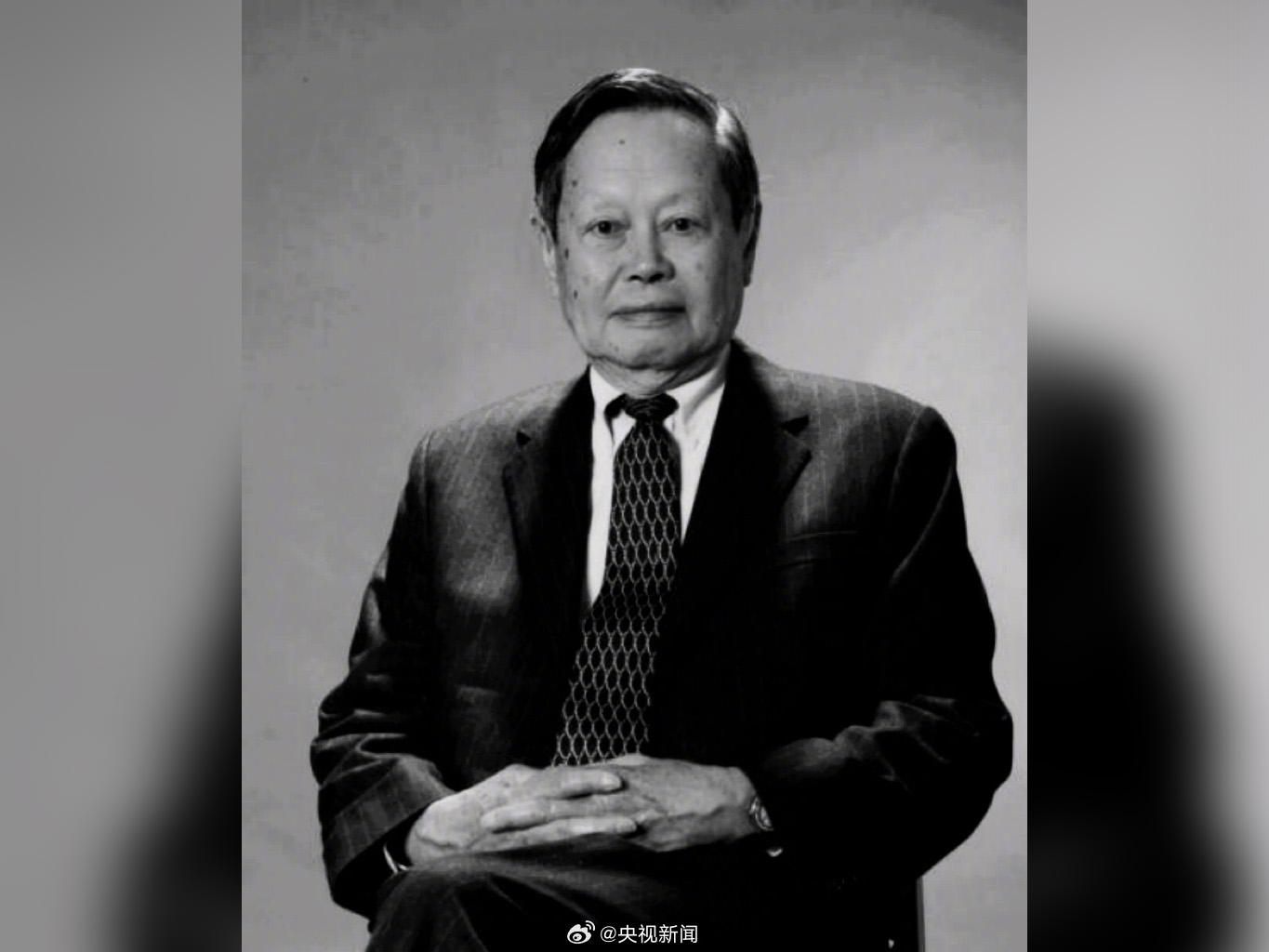
Yang Zhenning, widely known in the West as Chen-Ning Yang, is a prominent Chinese-American physicist whose work has profoundly influenced the field of theoretical physics. Born on September 22, 1922, in Hefei, China, Yang’s contributions—most notably in the areas of particle physics and statistical mechanics—have shaped scientific understanding and garnered him a place among the most respected scientists globally. His efforts have further bridged East and West within the scientific community, fostering international collaboration.
Key Contributions
In 1957, Yang and his colleague, Tsung-Dao Lee, proposed a groundbreaking concept that challenged longstanding principles in physics regarding parity violation. Their work demonstrated that certain physical processes, particularly weak interactions, do not behave the same way when their spatial coordinates are mirrored—a revelation that has significant implications for modern physics. For this monumental achievement, both Yang and Lee were awarded the Nobel Prize in Physics in the same year, marking a pivotal moment in the study of particle physics.
Further, Yang’s collaboration with Robert Mills in the 1950s led to the formulation of the Yang-Mills theory, essential for the development of the Standard Model of particle physics. This theory describes how elementary particles interact through fundamental forces, setting the framework for much of contemporary theoretical physics.
Recent Events and Recognition
Recently, Yang has continued to be a prominent figure in the global scientific community. In 2021, he celebrated his 99th birthday, and various institutions honour his contributions through lectures, panels, and conferences. These events not only reflect admiration for his work but also highlight the ongoing relevance of his research in today’s scientific inquiries. Scholars and physicists continue to reference Yang’s theories as they explore complex questions surrounding quantum field theory and cosmology.
Conclusion
Yang Zhenning’s legacy is undeniably remarkable, as his insights have catalysed a deeper understanding of the universe and fostered further advancements in physics. His influence extends beyond his findings, as he exemplifies the potential of international cooperation in science. As aspiring physicists look to figure out the mysteries of the universe, Yang’s pioneering work serves as both inspiration and a foundation for exploration. His story is a reminder of how one individual’s contributions can resonate through generations, shaping the future of science.