

The Shortest Day of the Year: Understanding the 2025 Winter Solstice
What Is the Shortest Day of the Year?
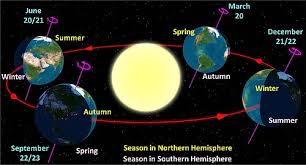
In 2025, the winter solstice date is Sunday, December 21, marking the shortest day and longest night of the year for the Northern Hemisphere. The winter solstice takes place Sunday, Dec. 21 at 10:03 a.m. EST — the exact moment the Northern Hemisphere is tilted farthest from the Sun. This astronomical event has captivated humanity for millennia, influencing cultures, traditions, and our understanding of Earth’s relationship with the Sun.
The Science Behind the Solstice
The day of the winter solstice is the shortest day of the year, which means that it’s the day in which we experience the least amount of daylight. The shortest day lasts 7 hours 49 minutes and 42 seconds in London. This means that the length of the day during the winter solstice is 8 hours, 49 minutes shorter than the summer solstice. The phenomenon occurs because the Earth orbits at an angle: it is tilted 23.4 degrees on its axis, causing different hemispheres to receive varying amounts of sunlight throughout the year.
Regional Variations in Daylight Loss
The impact of the winter solstice varies significantly depending on location. In cities such as Miami, Los Angeles, Atlanta and Houston, people will get three to four fewer hours of daylight. New York City and Chicago will lose about six hours, while Seattle, Portland and Minneapolis will see around a seven hour loss of daylight. Northern locations experience more dramatic changes due to their position relative to Earth’s tilt.
Cultural and Historical Significance
Since prehistory, the winter solstice has been a significant time of year in many cultures and has been marked by festivals and rites. Some ancient monuments such as Newgrange, Stonehenge, and Cahokia Woodhenge are aligned with the sunrise or sunset on the winter solstice. These architectural marvels demonstrate how important this astronomical event was to ancient civilisations, who used it to guide agricultural activities and celebrate the promise of returning light.
Looking Forward: The Return of Light
The winter solstice represents a turning point in the yearly cycle. After the shortest day, the days start getting longer and the nights shorter. The good news for anyone tired of shorter days is that the winter solstice marks the turning point. After Dec. 21, the days will slowly start to lengthen again. This gradual increase in daylight, though initially just seconds per day, symbolises hope and renewal as we move towards spring, making the shortest day of the year not an ending, but rather a new beginning for light’s return.