

When Is the Shortest Day of the Year? Understanding the Winter Solstice
The Winter Solstice: Nature’s Darkest Day
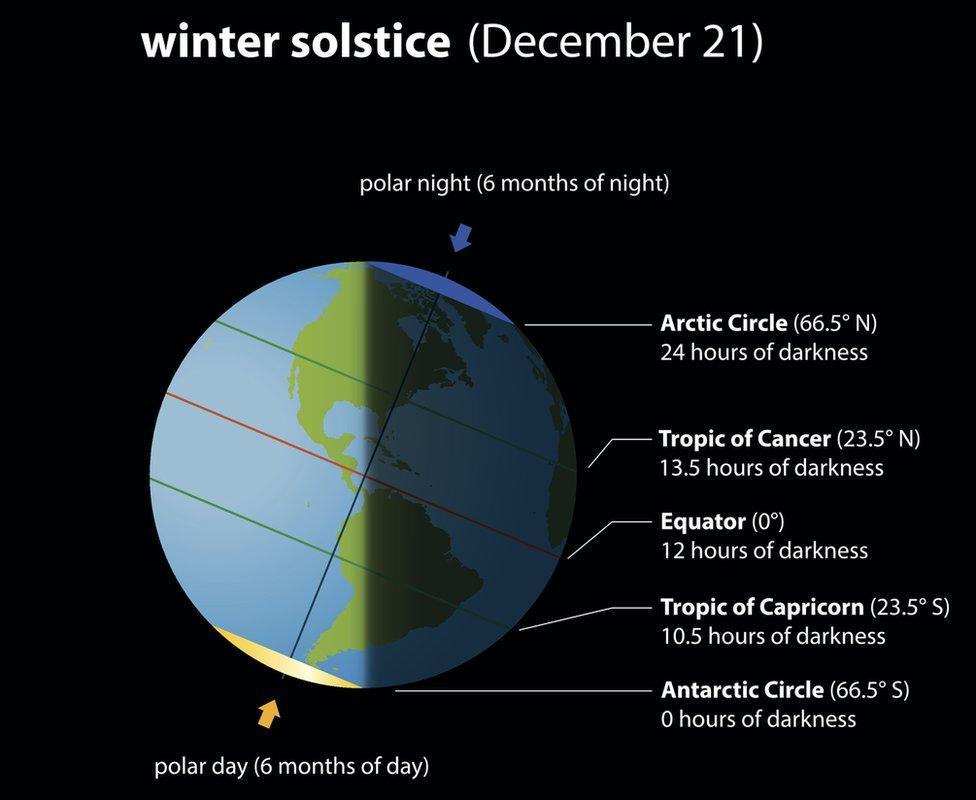
For those living in the Northern Hemisphere, the shortest day of the year occurs on Saturday, 21 December 2024. At 4:20 a.m. ET, the solstice will take place, marking the beginning of winter in the Northern Hemisphere, according to NASA. This astronomical event, known as the winter solstice, represents a pivotal moment when the Sun is at its lowest daily maximum elevation in the sky.
The importance of this date extends beyond mere astronomy. For over 6 billion people in the Northern Hemisphere, the winter solstice marks not only the official start of astronomical winter but also the turning point when days begin to lengthen again, offering hope during the darkest time of year.
Why the Winter Solstice Occurs
This celestial event happens when the Earth’s axial tilt positions the Northern Hemisphere at its farthest point from the sun, resulting in the least amount of daylight for the year. The Earth is tilted at approximately 23.5 degrees on its axis, which causes dramatic variations in daylight throughout the year.
In London, the shortest day lasts 7 hours 49 minutes and 42 seconds, making it 8 hours and 49 minutes shorter than the summer solstice. The further north one travels, the more pronounced this effect becomes. In the Arctic Circle, the sun won’t rise at all on the winter solstice.
The Return of Light
Despite being the darkest day, the winter solstice brings encouraging news. After the solstice, every day will have a little more sunlight than the one before, and by the time we reach the summer solstice on 20 June 2025, it will be the longest day of the year. Each day after the solstice, we get one minute more of sunlight, and after just two months, we’ll be seeing about an hour more of sunlight.
Cultural Significance Throughout History
Since prehistory, the winter solstice has been a significant time of year in many cultures and has been marked by festivals and rites. Ancient civilizations built landmarks like Stonehenge in England and Torreon at Machu Picchu, Peru, to track the sun’s movements, according to NASA.
Nations and cultures around the world have celebrated the solstice since ancient times with varying rituals and traditions, and the influence of those solstice traditions can still be seen in celebrations of holidays like Christmas and Hanukkah.
What It Means for Readers
Understanding when the shortest day of the year occurs helps us appreciate the natural rhythms that have shaped human civilisation for millennia. The winter solstice reminds us that even in the darkest moments, change is constant, and brighter days lie ahead. For those experiencing seasonal challenges during winter months, knowing that daylight hours will steadily increase from 21 December onwards can provide both scientific understanding and emotional comfort during the darker winter period.