

The Connection Between Solar Storms and the Aurora Borealis
Introduction
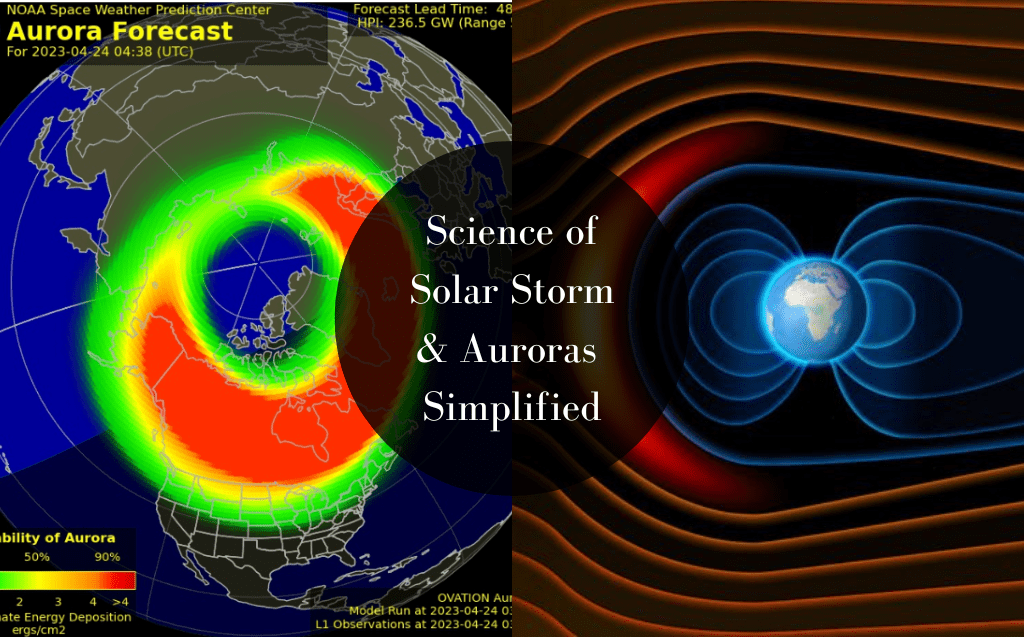
Solar storms, tumultuous events caused by the sun’s magnetic activity, play a crucial role in creating one of nature’s most spectacular displays: the Aurora Borealis, also known as the Northern Lights. Understanding the relationship between these solar phenomena not only enhances our appreciation for this natural light show but also highlights the sun’s influence on Earth’s magnetosphere and our daily lives.
What are Solar Storms?
Solar storms, or geomagnetic storms, occur when the sun emits a significant burst of solar wind and magnetic fields. These storms can disrupt communications, navigation systems, and even power grids on Earth. Notable recent solar storms include the X-class flares observed in August 2023, which were powerful enough to cause fluctuations in radio waves and satellite communications across various regions.
The Science Behind the Aurora Borealis
The Aurora Borealis occurs when charged particles from the sun collide with gases in Earth’s atmosphere. These interactions create vibrant displays of light, typically seen in areas located near the Arctic Circle, such as Norway, Canada, and Alaska. During periods of heightened solar activity, these displays can become more intense and reach further south than usual. For instance, during the recent solar maximum in 2022, observers in states like Minnesota and Wisconsin witnessed rare sightings of the Northern Lights.
Recent Developments and Observations
In early October 2023, scientists observed an unusual spike in solar wind activity correlating with an increase in auroral displays across North America. Data from the National Oceanic and Atmospheric Administration showed that conditions were ripe for excellent visibility of the Aurora Borealis due to an ongoing solar storm. This event drew significant public interest and led to various viewing gatherings across the continent, demonstrating the growing fascination with this natural wonder.
Conclusion
The connection between solar storms and the Aurora Borealis underscores the dynamic relationship between our planet and the sun. As solar activity continues to increase, scientists emphasize the importance of monitoring solar weather to predict potential impacts on technology and natural phenomena alike. For readers, understanding this connection not only provides insight into the stunning visual experience of the Northern Lights but also highlights the need for awareness regarding solar activity’s effects on our daily lives. The allure of the Aurora Borealis persists as long as the sun continues its unpredictable dance, reminding us of the beauty and power of nature.