

Is Today the Shortest Day of the Year? Understanding the Winter Solstice
The Winter Solstice: When the Shortest Day Arrives
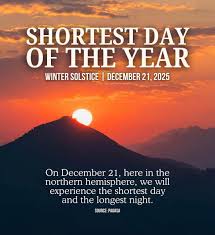
Sunday, December 21, 2025, is officially the winter solstice—the shortest day and longest night of the year in the Northern Hemisphere. The 2025 December solstice happens at 15:03 UTC (9:03 a.m. CST) on December 21. This astronomical event marks a pivotal moment in Earth’s annual journey around the sun, when the upper half of the Earth is at its furthest lean away from the sun—leading to the shortest day and longest night of the year.
Why This Day Matters
The winter solstice represents more than just a calendar date. It marks the shortest day and longest night of the year, which symbolises a pause in nature before renewal starts. For those living in the Northern Hemisphere, this means experiencing significantly less daylight than during the summer months. Cities like Miami, Houston, Atlanta and Los Angeles see about three to four and a half hours less daylight on Dec. 21 than they did on June 20. In more northern locations, the difference is even more dramatic—in Minneapolis and Portland, the difference climbs to nearly seven hours.
The Science Behind the Shortest Day
Earth’s axis is tilted by 23.5 degrees which causes one half of the planet to be pointed away from the sun and the other half is pointed towards it at the time of the solstice. During the winter solstice, the Northern Hemisphere is tilted farthest away from the Sun, causing sunlight to spread over a larger area and deliver less warmth and light. This astronomical positioning creates the year’s minimum daylight hours, with the shortest day lasting 7 hours 49 minutes and 42 seconds in London.
A Turning Point Towards Brighter Days
Despite marking the darkest day, the winter solstice brings an optimistic message. From December 22, daylight in the Northern Hemisphere will gradually increase. As the Sun sets early on this day, it also signals a turning point, when darkness reaches its peak and the return of longer, brighter days officially begins. This gain will be minuscule at first, just a matter of seconds a day, but will steadily grow until daily daylight expands by 3 minutes per day in March.
Cultural Significance and Celebrations
Since prehistory, the winter solstice has been a significant time of year in many cultures and has been marked by festivals and rites. This is because it is the point when the shortening of daylight hours is reversed and the daytime begins to lengthen again. Thousands of people converged at the ancient monument of Stonehenge in Wiltshire, England, on December 21, to witness the winter solstice sunrise. The annual gathering marks the shortest day of the year and the symbolic return of longer daylight hours.
What It Means for You
For residents across the UK and Northern Hemisphere, today’s winter solstice officially marks the start of each hemisphere’s winter season. While the immediate change may not be perceptible, the astronomical shift has begun. The days will gradually lengthen, bringing the promise of spring and renewed warmth in the months ahead. Meanwhile, in the Southern Hemisphere, it is the longest day of the year and summer will start.