

The Shortest Day of the Year 2025: What You Need to Know About Winter Solstice
Understanding the Shortest Day of the Year
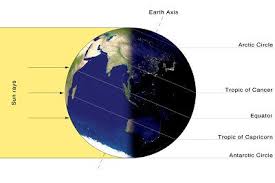
As December approaches, the days grow shorter and nights stretch longer, culminating in the winter solstice—the shortest day of the year. In 2025 the winter solstice will occur on Sunday 21 December. This astronomical event marks a pivotal moment when the Northern Hemisphere is tilted farthest from the Sun.
The significance of this day extends far beyond simply being dark for longer. It represents the turning point in our annual journey around the sun, after which daylight hours begin to increase once more. For residents across the UK, the shortest day lasts 7 hours 49 minutes and 42 seconds in London.
The Science Behind the Solstice
The winter solstice is the day of the year with the fewest hours of daylight. This phenomenon occurs because the Earth orbits at an angle: it is tilted 23.4 degrees on its axis. During winter in the Northern Hemisphere, this tilt positions us away from the sun, resulting in a lower sun position and shorter days.
Interestingly, the solstice actually lasts only a moment. Specifically, it’s the exact moment when a hemisphere is tilted as far away from the Sun as possible. The 2025 December solstice happens at 15:03 UTC (9:03 a.m. CST) on December 21.
Cultural Celebrations and Historical Significance
The winter solstice has been celebrated for millennia across various cultures. Since prehistory, the winter solstice has been a significant time of year in many cultures and has been marked by festivals and rites. In the UK, people from the UK and beyond visit the ancient site of Stonehenge to celebrate the winter and summer solstices.
Some ancient monuments such as Newgrange, Stonehenge, and Cahokia Woodhenge are aligned with the sunrise or sunset on the winter solstice. These architectural marvels demonstrate the profound importance our ancestors placed on this celestial event, using it to guide agricultural activities and mark the passage of time.
What Happens After the Shortest Day
The winter solstice brings hope along with darkness. After the shortest day, the days start getting longer and the nights shorter. While the change is gradual at first, each day brings incrementally more sunlight. The winter solstice marks the turning point. After Dec. 21, the days will slowly start to lengthen again.
For UK residents, this marks the official beginning of astronomical winter, though meteorological winter began on 1 December. The solstice serves as a reminder that even in the darkest days, the promise of returning light and warmer weather lies ahead. Whether you choose to mark the occasion at Stonehenge, observe the sunset, or simply take comfort in knowing brighter days are coming, the shortest day of the year remains a powerful symbol of nature’s endless cycles.