

When Is the Shortest Day of the Year? Everything You Need to Know About Winter Solstice 2025
Understanding the Winter Solstice
In 2025 the winter solstice will occur on Sunday 21 December, marking the shortest day and longest night of the year for the Northern Hemisphere. Winter solstice takes place on December 21, 2025, at 15:03 GMT (10:03 a.m. EST), though this precise moment varies slightly depending on your location. This astronomical event has captivated humanity for millennia and continues to hold significance in our modern world.
Why the Shortest Day Matters
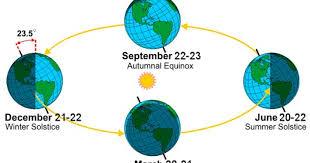
The winter solstice is more than just a calendar date—it represents a fundamental astronomical phenomenon. The winter solstice is the day of the year with the fewest hours of daylight. In the northern hemisphere this date falls in December every year. The winter solstice occurs in the northern hemisphere when this part of the Earth is at its maximum tilt away from the sun. At the exact same moment, the southern hemisphere will be experiencing its summer solstice, with maximum tilt towards the sun.
For those in the UK, the shortest day lasts 7 hours 49 minutes and 42 seconds in London. This dramatic reduction in daylight has profound effects on both nature and human behaviour, influencing everything from sleep patterns to mood.
The Science Behind the Solstice
This variation happens because the Earth orbits at an angle: it is tilted 23.4 degrees on its axis. This tilt is responsible for our seasons and the varying lengths of day and night throughout the year. On the day of the winter solstice, we are tilted as far away from the Sun as possible, which means that the Sun’s path across the sky is as low in the sky as it can be.
Historical and Cultural Significance
The winter solstice has been celebrated for thousands of years. Prehistoric monuments like Stonehenge have been shown to mark the position of the sunset on the winter solstice, meaning that the yearly event has clearly been important to humans for at least 5000 years. Today, people continue to gather at ancient sites to mark this astronomical turning point.
Looking Ahead: The Return of Light
While the winter solstice marks the darkest day, it also brings hope. After the shortest day, the days start getting longer and the nights shorter. From 22nd December onwards, each day brings incrementally more daylight, a slow but steady march towards spring. This symbolic rebirth of the sun has made the solstice a time of celebration and reflection across cultures worldwide, reminding us that even in the depths of winter, brighter days lie ahead.