

International Women’s Day 2026: Celebrating Achievements and Accelerating Action
Introduction
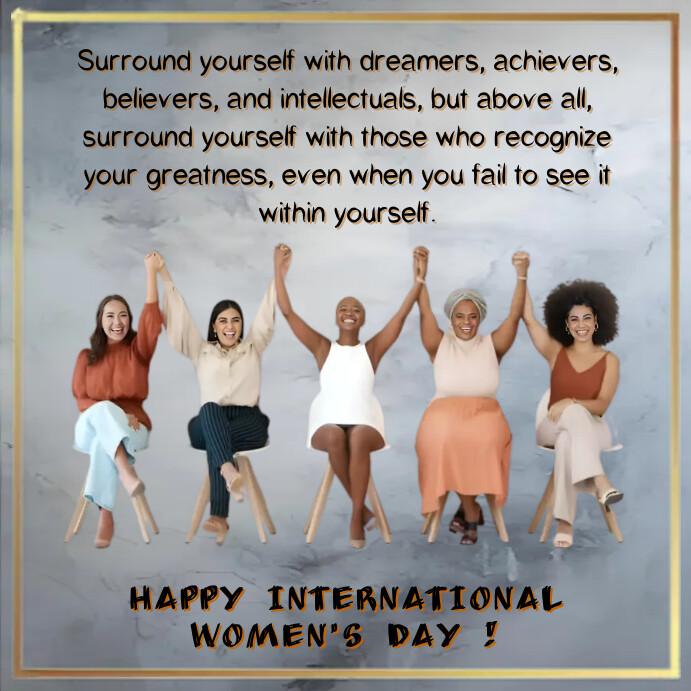
International Women’s Day (IWD), observed each year on 8 March, is a global occasion that recognises the social, economic, cultural and political achievements of women and marks a call to action for gender equality. Its relevance lies in combining celebration with activism: communities, universities and organisations use the day to reflect on progress, highlight ongoing challenges and galvanise renewed efforts. As the annual observance falls within Women’s History Month, it also contributes to broader public conversation throughout March.
Main developments and context
What is International Women’s Day?
According to background material from advocacy and educational sources, IWD is celebrated every year on 8 March to honour achievements and to raise awareness about women’s rights and gender equality. The day has evolved into both a commemorative and campaigning moment, drawing millions of people and varied events worldwide.
Institutional activity and local examples
Universities and community organisations frequently stage events around the day. Southern New Hampshire University’s Deborah L. Coffin Women’s Center notes that significant activity is witnessed worldwide on 8 March as groups come together to celebrate or rally for women’s equality. Anderson, associate director of the Coffin Women’s Center, has said that both International Women’s Day and Women’s History Month give people a chance to celebrate, reflect and commit to action. The centre hosts an annual breakfast during the week of IWD and invites students from all programmes to share reflections on the theme designated that year, Tasch said.
Themes and purpose
Annual themes help focus attention and action. The International Women’s Day organisation chose 2025’s theme, “Accelerate Action”, to galvanise those celebrating to speed up progress toward equal rights. The overarching purpose of IWD remains to recognise women’s progress through history, raise awareness about ongoing inequalities and rally individuals and institutions to demand change.
Conclusion
International Women’s Day continues to serve as both celebration and catalyst. For readers, the day offers an opportunity to learn, participate in local events and consider practical steps that support equality. With recurring themes such as “Accelerate Action”, IWD is likely to keep emphasising measurable progress, encouraging organisations and communities to translate commemoration into concrete commitments throughout the year.