

First Cousin Marriage: Legal Status, Health Risks and Public Debate
Introduction: Why first cousin marriage matters
First cousin marriage is a topic of continuing public interest because it sits at the intersection of law, public health and cultural practice. Discussions about first cousin marriage affect family law, genetic counselling services and community relations, and can influence policy debates in countries where the practice is common or contested. Understanding its legal status and potential health implications is important for readers who may be affected directly or who are following wider social debates.
Legal status and cultural context
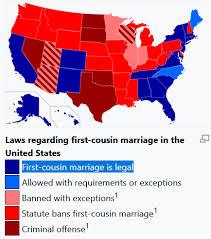
Legal approaches to first cousin marriage vary by country. In the United Kingdom, marriage between first cousins is legal, though attitudes towards the practice differ across communities and generations. In other jurisdictions around the world, laws range from clear prohibition to full legality, often shaped by historical, religious and social factors. The practice remains culturally accepted in some regions and communities and viewed with concern or disapproval in others, which contributes to ongoing media and policy attention.
Health considerations and services
From a public health perspective, the primary concern most often discussed is the increased probability of recessive genetic disorders among children of closely related parents. Because first cousins share a higher proportion of genes than unrelated partners, recessive conditions that are rare in the general population may be more likely to appear in their offspring. This does not mean problems are inevitable, but it does raise the importance of access to accurate information.
Genetic counselling and screening services are commonly recommended for couples who are first cousins and planning a family. These services can explain specific risks, offer carrier testing where appropriate and discuss reproductive options. Health professionals and community organisations often emphasise respectful, non-stigmatising communication when advising families.
Conclusion: Significance and outlook
First cousin marriage remains a complex issue combining legal tolerance in some places, varying cultural acceptance and legitimate public health questions. For readers, the most practical takeaway is that the practice is legal in the UK and that couples considering such a union can access genetic counselling to understand potential risks. Future debates are likely to continue focusing on balancing cultural sensitivity with clear, evidence-based health information and support services.