

International Womens Day: Accelerate Action (2025) and Rights (2026)
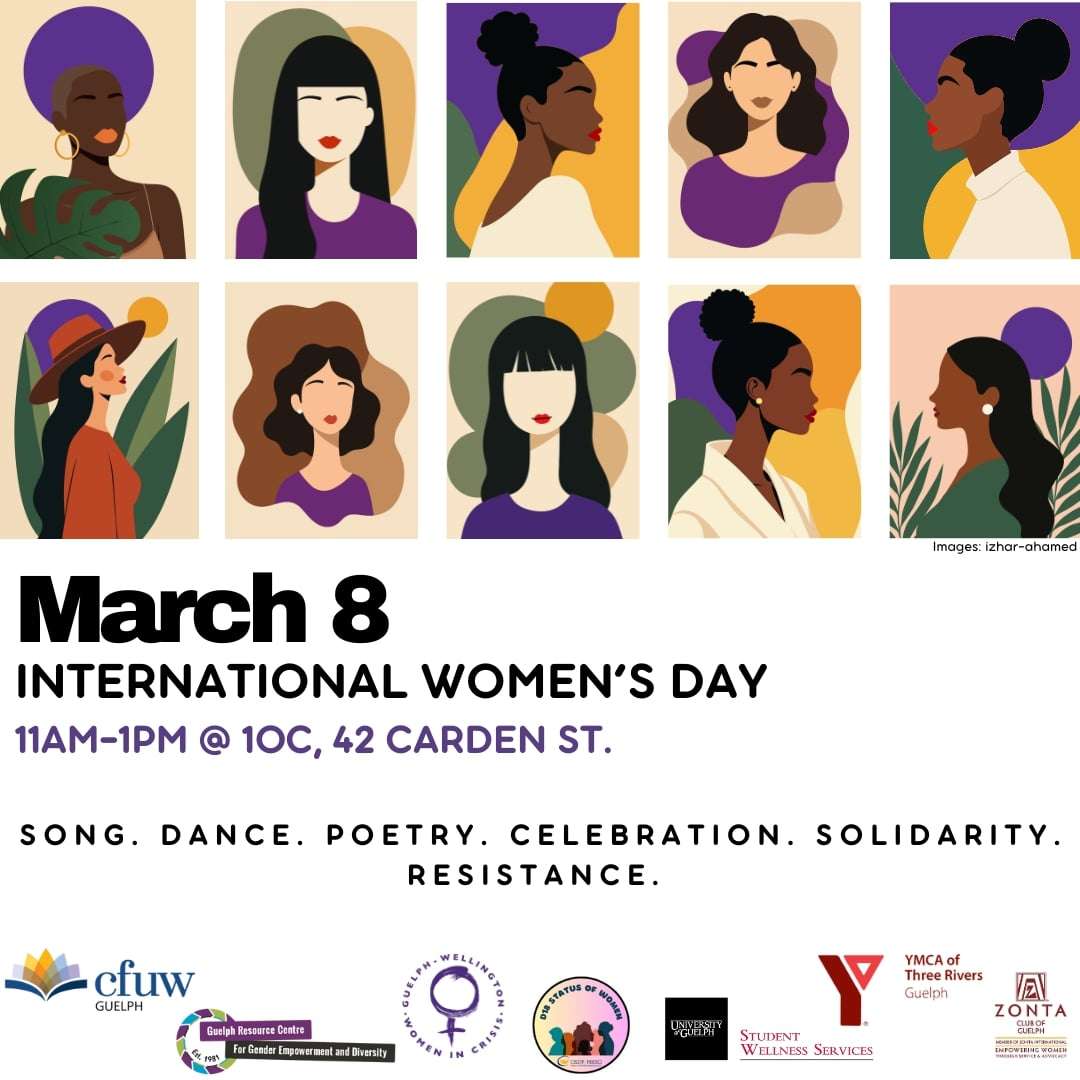
Introduction: Why international womens day matters
International Womens Day, observed on 8 March during Women’s History Month, is a global moment to celebrate women’s achievements and to press for greater equality. The day draws attention to social, economic, cultural and political gains while mobilising action where progress remains slow. For communities, institutions and governments, IWD provides an opportunity to reflect, commemorate and plan concrete steps toward equal rights.
Main developments and themes
What is International Womens Day?
International Womens Day (IWD) is marked worldwide with events that range from celebrations of achievement to rallies for justice. Groups and organisations use the occasion to highlight both successes and persistent barriers to equality. As noted by Southern New Hampshire University, IWD and Women’s History Month are moments to celebrate, reflect and commit to action.
2025: Accelerate Action
The International Women’s Day organisation designated 2025’s theme as Accelerate Action, calling on individuals and institutions to speed up progress towards equal rights. The theme stresses urgency: moving beyond awareness to measurable steps that reduce disparities and broaden opportunities for women and girls.
2026: Rights and access to justice
UN Women highlights the focus for IWD 2026 as Rights. For ALL Women and Girls emphasising the imperative to dismantle structural barriers to equal justice. The campaign points to discriminatory laws, weak legal protections and harmful social norms that limit rights. At global forums such as the Commission on the Status of Women (CSW70), member states, UN entities and civil society will discuss inclusive legal systems and actions to eliminate discriminatory laws and practices.
Local engagement: an example from SNHU
On campus, the Deborah L. Coffin Women’s Center at Southern New Hampshire University organises events around IWD. The centre hosts a breakfast during the week of International Women’s Day and invites students from all programmes to share reflections tied to the annual theme. Such local activities mirror the broader mix of celebration and advocacy that defines the day.
Conclusion: What readers should take away
International Womens Day remains both a celebration and a call to action. With 2025 urging Accelerate Action and 2026 centring Rights and access to justice, the coming years emphasise speed and structural change. For readers, the day is a prompt to support policies, institutions and community efforts that turn commitments into concrete improvements for women and girls everywhere.