

Love on the Spectrum: How the series is reshaping views on autism and dating
Introduction: Why this series matters
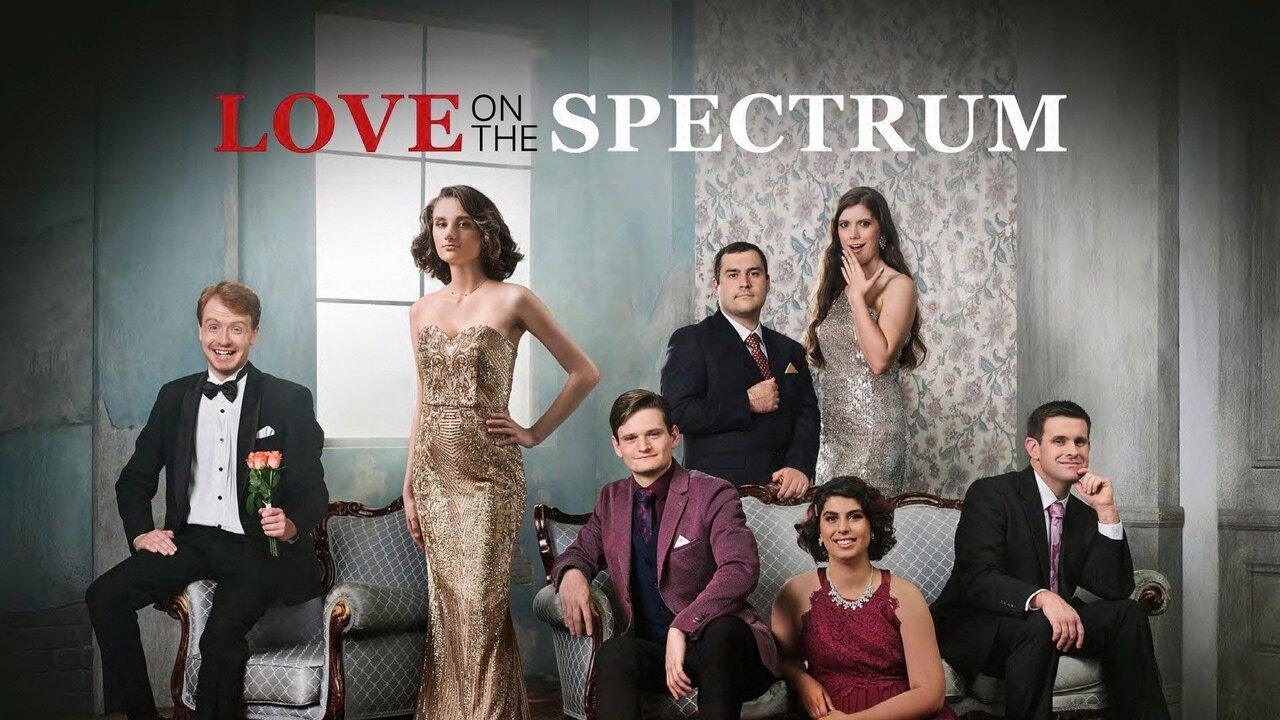
Love on the Spectrum has attracted attention for its sensitive portrayal of autistic adults navigating romance and relationships. The programme matters because it puts neurodiverse experiences of dating into public view, challenging stereotypes and prompting discussions about inclusion, consent and support. At a time when conversations about mental health and accessibility are increasingly prominent, the series offers a window into challenges and successes that are often overlooked.
Main body: What the series shows and its impact
Format and approach
Originally produced in Australia, Love on the Spectrum follows a documentary format that centres on autistic people as they seek companionship, go on dates and discuss their hopes and concerns. Its respectful, observational style emphasises participants’ voices, aiming to present candid and humane portraits rather than sensationalism.
International reach and adaptations
The programme reached a global audience through international distribution and inspired further editions that adapt the format for different countries. Its accessibility to viewers beyond its country of origin has helped raise awareness internationally about the realities of dating with autism and the diversity of autistic experiences.
Public and professional response
Critics, viewers and autism advocacy groups have generally praised the series for normalising neurodiverse relationships and prompting constructive debate. For many viewers the show has been an educational resource, while for professionals working in social care, education and relationship counselling it has underscored the need for tailored support and clearer communication strategies. The series has also encouraged family members and partners to reflect on practical measures—such as supported social opportunities and clearer consent discussions—that can assist autistic adults who want to date.
Conclusion: Significance and outlook
Love on the Spectrum has contributed to a broader cultural shift towards recognising the relationship needs of autistic people. Its impact lies less in dramatic revelations than in shifting everyday perceptions: viewers report greater empathy and a deeper understanding of the challenges faced by autistic daters. Looking ahead, the continued interest in the format suggests further adaptations and conversations are likely, including discussions about services, training and inclusive dating practices. For readers, the programme is both an informative portrayal and a prompt to consider how communities can better support neurodiverse approaches to love and partnership.