

National Trust Volunteer Andy Jones Blacklisted Over Website Error Report
Introduction: A Controversial Dismissal Sparks Debate
The National Trust, one of Britain’s most prominent heritage conservation charities, has come under scrutiny following the controversial dismissal of a long-serving volunteer. Andy Jones, 71, a volunteer at the trust for more than a decade, sent a dossier of thousands of misspellings and factual errors to the charity’s director-general, only to find himself permanently banned from all National Trust properties. This incident has ignited debate about volunteer management, organisational culture, and how charitable institutions handle constructive criticism from dedicated supporters.
The Case of Andy Jones: Years of Service End in Conflict
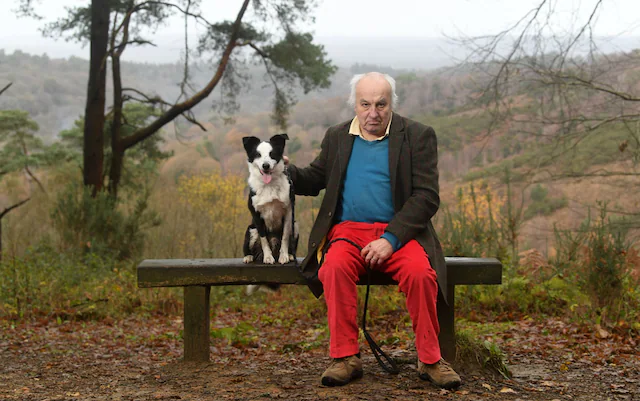
Mr Jones volunteered for the National Trust for 14 years, first at the Woolbeding estate, in West Sussex, and later at Hindhead Commons and the Devil’s Punch Bowl in the Surrey Hills. His roles included everything from gardening and burning waste to dealing with membership queries and offering guidance to visitors on walks. In 2024, concerned about the charity’s online presence, he reviewed the trust’s web presence and created a dossier of the mistakes. These ranged from typos such as “toliets” and “permanant” and grammatical errors such as “take a peak” to misspelling the name of the pre-Raphaelite artist Lucy Madox Brown as Maddox Brown.
After receiving no response to his initial submissions, a frustrated Mr Jones sent a strongly worded email criticising the organisation’s leadership. A manager responded that his comments were “not in line with our organisational values” and that his relationship with the trust had “irreversibly broken down”, effectively banning him from future volunteering. Mr Jones admitted to The Telegraph that his comments were not appropriate but claimed that he was stressed at the time as he was suffering from stage-two prostate cancer.
Broader Implications: Organisational Culture Under Question
Restore Trust, a pressure group comprised of members and supporters of the organisation, accused the charity of “disciplining or sacking volunteers for their opinions”. The National Trust defended its position, stating “no-one would be told they were no longer welcome as a volunteer simply for pointing out grammatical errors on a website”, suggesting the ban resulted from a series of incidents. This case highlights tensions between volunteer expectations and institutional policies, raising important questions about how Britain’s heritage organisations balance tradition with modern management practices in an era where volunteer contributions remain essential to their operations.