

When is Women’s Day and Why It Matters
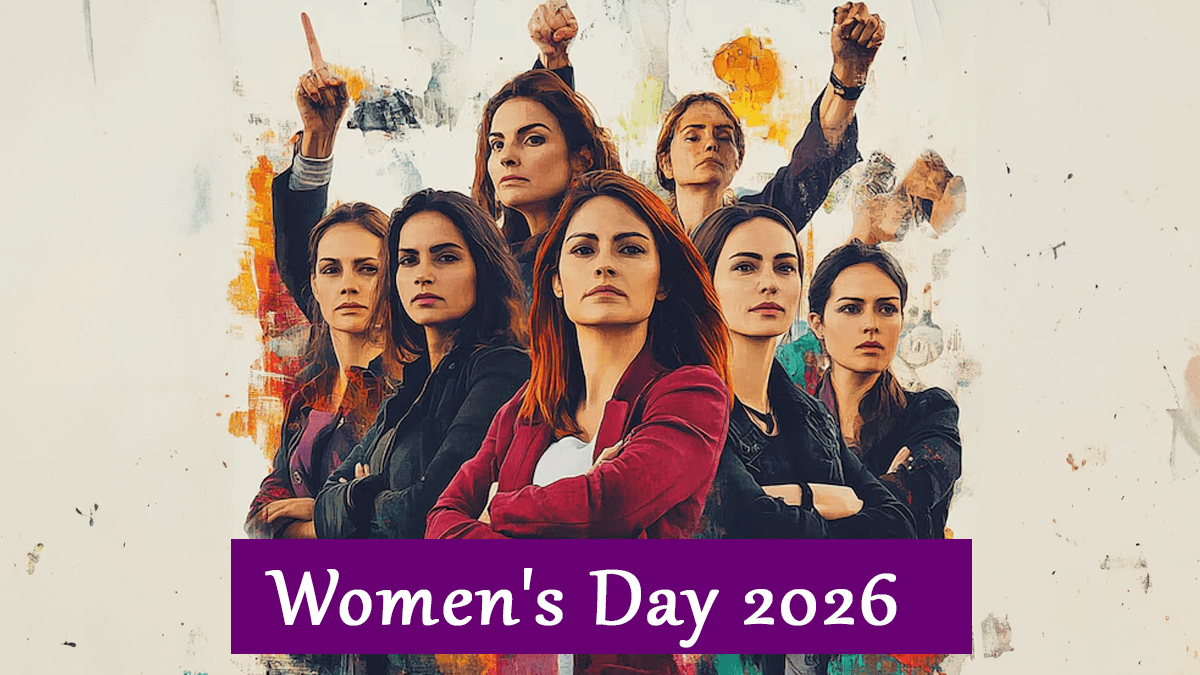
Introduction: Why knowing when is women’s day matters
As a global observance, International Women’s Day raises awareness of gender equality, celebrates achievements and prompts action. Knowing when is women’s day helps individuals, organisations and governments plan events, campaigns and conversations that spotlight women’s social, economic, cultural and political contributions.
Main body: Date, history and how it is observed
Date and annual rhythm
International Women’s Day falls each year on 8 March. The date is fixed and observed worldwide with rallies, conferences, cultural events and social media campaigns. Many institutions schedule awareness-raising activities, policy announcements and educational programmes around this date.
Historical background
The roots of International Women’s Day lie in early 20th-century labour movements in North America and Europe, where women campaigned for better working conditions, suffrage and labour rights. The day gained wider recognition in 1911. The United Nations marked the observance from 1975, and in 1977 the UN General Assembly called on member states to proclaim 8 March as UN Day for women’s rights and world peace.
Contemporary observances and themes
Today, International Women’s Day combines celebration and advocacy. Governments, non-governmental organisations, schools and businesses host events that range from awards ceremonies to policy forums. Each year a theme—often promoted by UN Women and other international bodies—guides activities; recent themes have focused on equality, economic empowerment and ending gender-based violence. Social media hashtags and coordinated campaigns amplify messages and reach global audiences.
Conclusion: Significance and what to expect
Understanding when is women’s day and its purpose equips readers to participate meaningfully—whether by attending local events, supporting policy initiatives or using their platforms to highlight issues facing women. The day’s combination of commemoration and advocacy means it will continue to be a focal point for progress on gender equality. For readers, 8 March is both a reminder of gains made and a prompt to sustain efforts toward a fairer future.