

Gen Z: The Influential Generation Shaping Our Future
Introduction
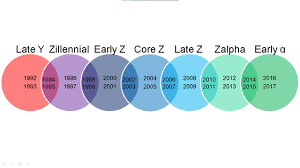
Generation Z, commonly referred to as Gen Z, includes individuals born from the mid-to-late 1990s to the early 2010s. As they enter adulthood, their unique characteristics and values are reshaping various facets of society, from consumer behaviour to workplace dynamics. Understanding Gen Z is crucial, not only for businesses aiming to attract younger customers but also for policymakers and educators who need to address the distinct needs of this cohort.
Characteristics of Gen Z
Gen Z is noted for being the first true digital natives, having grown up with smartphones and social media. This upbringing has significantly influenced how they communicate and interact with the world. Research from McKinsey states that approximately 45% of Gen Z members prefer communicating through visual platforms like TikTok and Instagram rather than traditional text-based methods.
Moreover, this generation is recognized for its social consciousness. Issues such as climate change, racial equality, and mental health are at the forefront of their priorities. A survey conducted by the Pew Research Center in 2023 revealed that 76% of Gen Z respondents believe that addressing climate change is essential, showcasing their commitment to sustainability.
Economic and Social Influence
The purchasing power of Gen Z is formidable, estimated to be over £140 billion in the UK alone. Brands like Nike and Adidas have adopted strategies that prominently feature the values and aesthetics preferred by Gen Z, focusing on inclusivity and sustainability. In 2023, a report by Deloitte highlighted that 64% of Gen Z consumers are willing to buy from brands that engage in social activism, demonstrating their belief in holding companies accountable.
Furthermore, their influence extends beyond consumer habits; they are changing workplace dynamics as well. According to LinkedIn research, Gen Z employees prioritise work-life balance and company culture. This shift has sparked conversations about flexible working arrangements and mental health support in the workplace.
Conclusion
As Gen Z continues to influence trends in technology, society, and the economy, their perspectives will be increasingly pivotal. For businesses, adapting to the values and preferences of this generation will be essential for long-term success. For society, understanding these young adults will foster more inclusive policies and practices that reflect their diverse viewpoints. Looking forward, as Gen Z becomes a larger share of the workforce and consumer base, their impact will undoubtedly shape the future landscape across various domains.