

A Comprehensive Overview of Generation X
Introduction
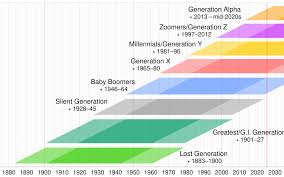
Generation X, typically defined as individuals born between 1965 and 1980, represents a pivotal demographic in today’s society. They are often seen as the bridge between the Baby Boomers and Millennials, possessing distinct characteristics that influence everything from workplace dynamics to cultural trends. As their numbers dwindle with age, understanding Generation X is increasingly important for businesses, policymakers, and social analysts.
Key Characteristics of Generation X
Characterised by their resilience, independence, and adaptability, Generation X has faced economic challenges that have shaped their perspectives. This generation grew up during significant societal upheaval, including the end of the Cold War, economic recessions, and the rise of personal technology. As a result, many members are known for their pragmatic approach to life and work, often prioritising job security and work-life balance.
Economic Impact and Workplace Role
As of 2023, Generation X holds considerable economic power, controlling a substantial portion of disposable income. They are involved in critical decision-making roles within various sectors and are often seen as invaluable mentors to younger employees. However, they also face unique challenges, such as balancing care for aging parents while supporting their children, often referred to as the “sandwich generation”. This dual role impacts their career trajectories and financial decisions.
Cultural Contributions and Trends
Generation X has made significant contributions to music, film, and technology, with the rise of alternative rock in the 1990s and influential films that reflect their experiences. Additionally, they were the pioneers of the digital age, witnessing the transition from analogue to digital technologies. Today, many Gen Xers are at the forefront of technological innovation and entrepreneurship, contributing to a diverse economy.
Conclusion
As Generation X continues to age, their impact on society will remain critical. Businesses must adapt their strategies to accommodate their preferences and values, ensuring that this generation is not overlooked in discussions about the future workforce. Understanding Generation X’s unique place in history will enable stakeholders to harness their experiences and perspectives, ensuring a more inclusive society as we progress into the future. Given their influence and status, the significance of Generation X will continue to be relevant for years to come.