

A Deep Dive Into the Manosphere: Trends and Implications
Introduction to the Manosphere
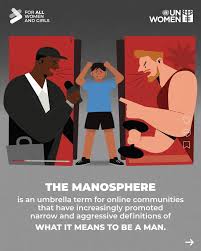
The manosphere is a multifaceted online network of blogs, forums, and websites where topics related to men’s interests, issues, and lifestyles are discussed. This phenomenon has surged in prominence over recent years, drawing significant attention due to its controversial content and diverse perspectives on masculinity. Understanding the manosphere is crucial, especially in the context of ongoing discussions surrounding gender dynamics, mental health, and societal expectations.
Key Components of the Manosphere
The manosphere encompasses a variety of subcultures, each with its own distinct views and ideologies. Significant components include:
- Men’s Rights Activism (MRA): This segment advocates for men’s rights, often highlighting perceived biases in family law, domestic violence laws, and education.
- Pickup Artists (PUAs): This group focuses on dating strategies and interpersonal relationships, often teaching techniques to attract women.
- Incels (Involuntary Celibates): Comprising individuals who identify as unable to find romantic relationships despite desiring them, incels often discuss their struggles in a community setting.
- Traditionalists: This faction advocates for traditional gender roles, positing that men should take on specific responsibilities in society and relationships.
Recent Developments and Events
The manosphere has seen increasing scrutiny from various quarters, especially social media platforms that have taken action against content deemed harmful or extremist. In 2022, several notable incidents led to debates on the impact of manosphere ideologies on wider societal issues such as misogyny and mental health. Furthermore, prominent figures in the manosphere have been denounced for promoting toxic masculinity, attracting both glaring criticism and staunch supporters.
Impact and Significance for Society
The dialogues fostered in the manosphere can be polarising yet remain significant. Advocates argue that it provides a necessary voice for men struggling with societal changes, while critics contend that it fosters harmful stereotypes and promotes violence against women. The challenge lies in differentiating constructive discussions about men’s issues from harmful and misogynistic rhetoric.
Conclusion
As the manosphere continues to evolve, its implications for society will likely remain profound. Observers call for a nuanced understanding of the motivations and concerns raised within this space. Policymakers, educators, and mental health professionals are encouraged to engage with these narratives to foster conversations that promote healthy expressions of masculinity and address the complexities of gender relations in contemporary society. The future of the manosphere may be shaped by ongoing debates about gender equality and the articulation of men’s roles in a rapidly changing world.