

Virgin Galactic Prepares for 2026 Return to Space Tourism Amidst Financial Challenges
Introduction: A Critical Year for Space Tourism
Virgin Galactic, the pioneering space tourism company, stands at a pivotal crossroads as it prepares to resume commercial operations in 2026. After suspending flights in 2024 to develop its next-generation spacecraft, the company faces mounting financial pressures whilst working to deliver on promises made to hundreds of eager customers awaiting their journey to space.
Development of Delta-Class Spaceplanes on Track
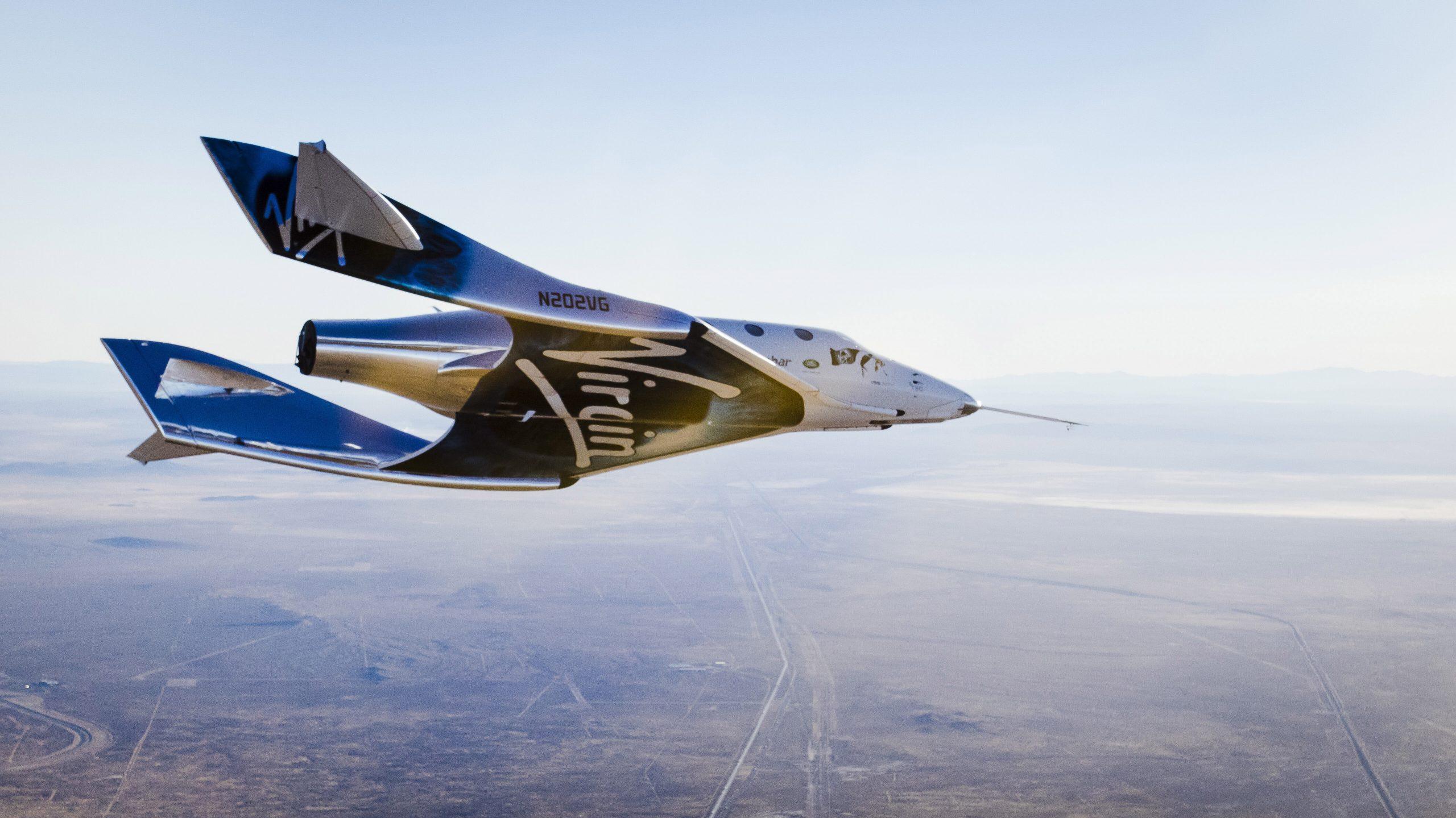
Virgin Galactic remains on schedule to complete development of its next-generation suborbital spaceplane and begin commercial flights before the end of 2026. The company expects its first research spaceflight will take place in summer of 2026, with private astronaut flights following in fall of 2026. These advanced Delta-class vehicles represent a significant upgrade over the retired VSS Unity spacecraft, designed to improve efficiency and increase flight frequency.
Financial Restructuring Raises Concerns
In December 2025, Virgin Galactic announced a plan to restructure its debt, selling approximately 12.1 million shares of stock to raise $46 million and rolling over a significant portion of its debt through a $203 million private placement of new debt, pushing back the due date to 2028. The news subtracted 16% from Virgin Galactic’s market capitalisation in a matter of minutes. Analysts polled by S&P Global Market Intelligence expect Virgin Galactic to lose nearly $240 million in 2026.
Customer Backlog and Pricing Strategy
Virgin has sold approximately 800 tickets, mostly at prices in the £200,000 to £250,000 range, plus a few score more at prices closer to £450,000. Looking ahead, by 2028, the plan is for Virgin Galactic to be selling new tickets for $600,000 apiece, flying about 750 passengers per year aboard two Delta-class spaceplanes and generating $450 million in revenue annually.
Conclusion: High Stakes for Space Tourism’s Future
Virgin Galactic’s journey represents more than just one company’s fortunes—it symbolises the viability of the entire commercial space tourism industry. Investors will be watching whether Virgin can keep its development timeline on track, generate cash from future ticket sales, and avoid further dilution as it works to restart flights and scale a business that has yet to prove it can be profitable. The coming year will determine whether Virgin Galactic can transform its ambitious vision into a sustainable business model, or whether the dream of accessible space tourism remains frustratingly out of reach.