

International Space Station: Role, Research and Future Plans
Introduction: Why the international space station still matters
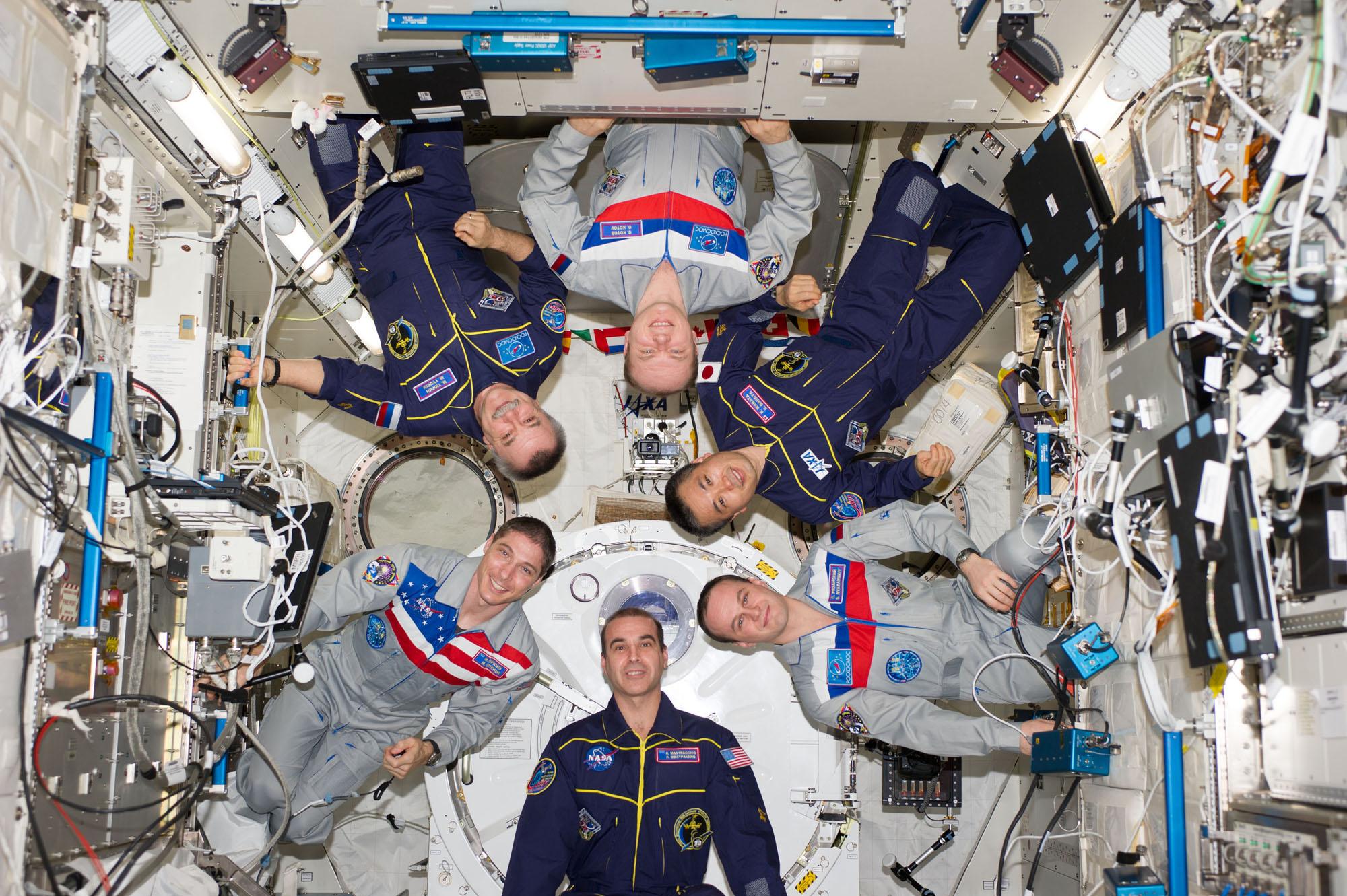
The international space station remains one of the most significant multinational scientific platforms in history. Orbiting roughly 400 km above Earth and travelling at about 28,000 km/h, the station has provided continuous human presence in low Earth orbit since 2000. Its importance derives from unique microgravity research, international collaboration between space agencies and growing commercial activity that together shape the future of spaceflight and technology on Earth.
Main body: Current operations, science and partnerships
The international space station is operated by an international partnership led by NASA, Roscosmos, ESA, JAXA and the Canadian Space Agency. Crewed missions rotate regularly, supporting experiments across biology, human physiology, materials science, fluid physics and Earth observation. Research performed aboard the station has contributed to better understanding of bone and muscle loss, improvements in pharmaceutical development, and advances in manufacturing techniques under microgravity conditions.
Alongside government-funded science, the station increasingly hosts commercial research and private astronaut missions. Companies use the platform to test hardware, develop products and demonstrate technologies that could not be validated on Earth. Commercial partners are also preparing capabilities to take on a growing share of low Earth orbit activities, reflecting policy shifts by national agencies to foster a commercial ecosystem in space.
Operationally, the station serves as a testbed for long-duration spaceflight systems, life-support technologies and international mission management. These activities inform planning for future exploration beyond low Earth orbit and help refine safety standards and logistics for sustained human presence in space.
Conclusion: Outlook and significance for readers
As nations and private entities prepare for a transition to new commercial platforms, the international space station remains central to scientific discovery and international cooperation. Over the coming years, research conducted on the station will continue to yield practical benefits on Earth and to guide future missions. For readers, this means continued innovation in medicine, materials and Earth monitoring, plus opportunities for commercial growth in the emerging low Earth orbit economy. The station’s legacy — scientific, diplomatic and technological — will shape how humanity lives and works in space for decades to come.