

Aston Martin F1: Progress, Drivers and the Road to 2026
Introduction: Why Aston Martin F1 matters
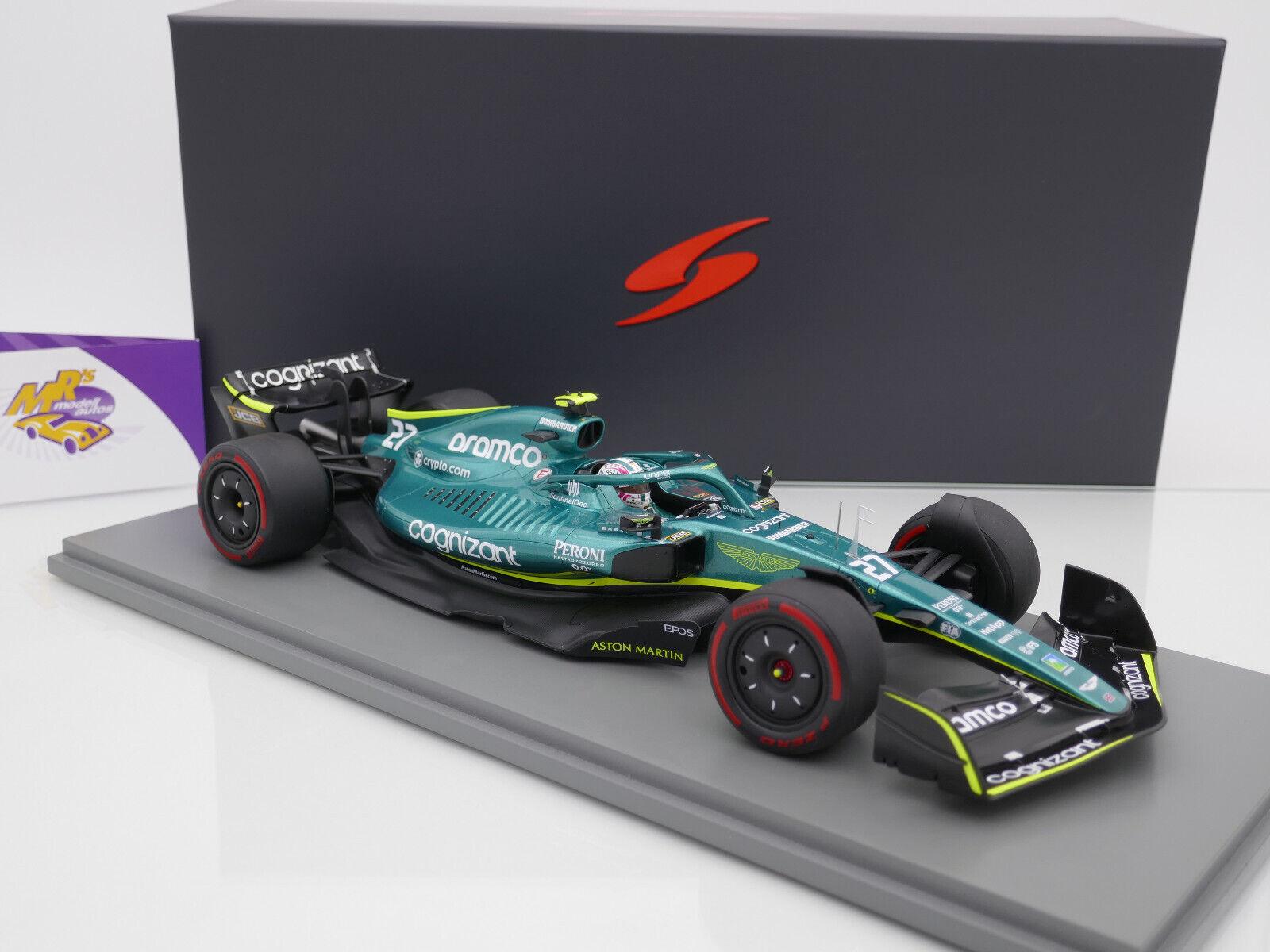
Aston Martin F1 has become one of the most closely watched projects in modern Formula 1. Backed by significant private investment and a high-profile brand, the team represents a concerted effort to bring British racing heritage and global sponsorship muscle together. Its development is relevant to fans and industry observers because it signals how new capital, technical partnerships and driver signings can reshape the sport’s competitive order ahead of the major rule changes in 2026.
Main body: Team profile, leadership and recent developments
Origins and structure
The team returned to the grid as Aston Martin in 2021 after a rebrand of Racing Point and is owned by a consortium led by Canadian businessman Lawrence Stroll. Based in the Silverstone area, the outfit has emphasised a long-term strategy of investment in facilities, personnel and technical capability, aiming to climb the constructors’ standings and close the gap to established frontrunners.
Drivers and leadership
On track the team fields a high-profile driver pairing: Fernando Alonso, a two-time world champion who joined Aston Martin in 2023, and Lance Stroll, who has driven with the operation since its earlier iterations. Leadership at the team includes principal Mike Krack, who oversees racing operations and development. The combination of experienced driving and management is central to Aston Martin’s push for consistent performance improvements.
Technical direction and partnership with Honda
A key strategic development has been Aston Martin’s announced technical partnership for the new 2026 power unit regulations. The collaboration with Honda aims to provide a competitive, in-house-calibre engine supply from 2026, representing a major step in the team’s bid to become a genuine title challenger. Alongside technical deals, the team has sought commercial support from global partners, including Cognizant and Aramco, which underwrite investment in both sporting and factory capabilities.
Conclusion: Outlook and significance for readers
Aston Martin F1’s combination of investment, experienced drivers and a planned engine partnership positions it as a team to watch in the coming seasons. While immediate race-winning dominance is not guaranteed, the roadmap towards 2026—backed by fresh technical resources and long-term planning—means fans and stakeholders should expect steady progress. The team’s evolution will be a useful barometer for how new entrants can challenge the sport’s established hierarchy under the next regulatory cycle.