

How the Winter Olympics Medal Table Shapes the Games
Introduction: Why the winter olympics medal table matters
The winter olympics medal table is one of the most watched measures of success during the Games. Beyond tallying gold, silver and bronze, the table captures national performance narratives, influences public interest and can affect future investment in winter sports. For athletes, coaches and federations the standings provide a daily snapshot of relative success and can shape headlines and policy long after the closing ceremony.
Main body: How the table works and what it tells us
How rankings are compiled
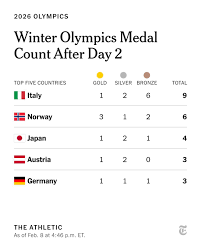
Medal tables are typically ordered by number of gold medals, with silver and bronze used as tie-breakers. Some outlets also present a total medal count as an alternative ranking. The simplicity of the format makes it accessible to broadcasters and viewers, while variations in presentation can change perceptions about which countries ‘lead’ the Games.
Daily dynamics and shifting narratives
Standings change frequently as events conclude across multiple disciplines. Breakthrough performances in sports such as skiing, skating or biathlon can rapidly elevate a nation’s position, while strong depth across events contributes to a robust total medal haul. Media coverage often focuses on headline leaders, underdog stories and host nation performance, all of which are framed by the current medal table.
Broader impacts
Beyond immediate prestige, the medal table can influence sport funding, athlete support programmes and public interest in winter sports back home. National federations and governments sometimes use results to justify increased investment in training facilities or grassroots development. For athletes, medalling at the Games can enhance sponsorship opportunities and career prospects.
Conclusion: What readers should take away
The winter olympics medal table is a compact, evolving indicator of performance that blends sport, national pride and policy consequences. Positions will continue to shift as remaining events conclude, so the final table will offer the most complete picture of the Games. Readers seeking up-to-date standings should consult official sources such as the IOC and the event’s official results service for verified information. In the meantime, the medal table remains a compelling lens through which to follow competition, celebrate achievements and anticipate how nations will respond after the Games.