

How to Read and Use Racing Results
Introduction
Racing results are a central resource for fans, competitors and industry professionals across horse racing, motorsport and athletics. Accurate results determine winners, championship standings, prize distributions and betting payouts. Understanding how results are produced and reported helps readers interpret outcomes, check for revisions and follow trends across a season.
Main body
Types of racing and result formats
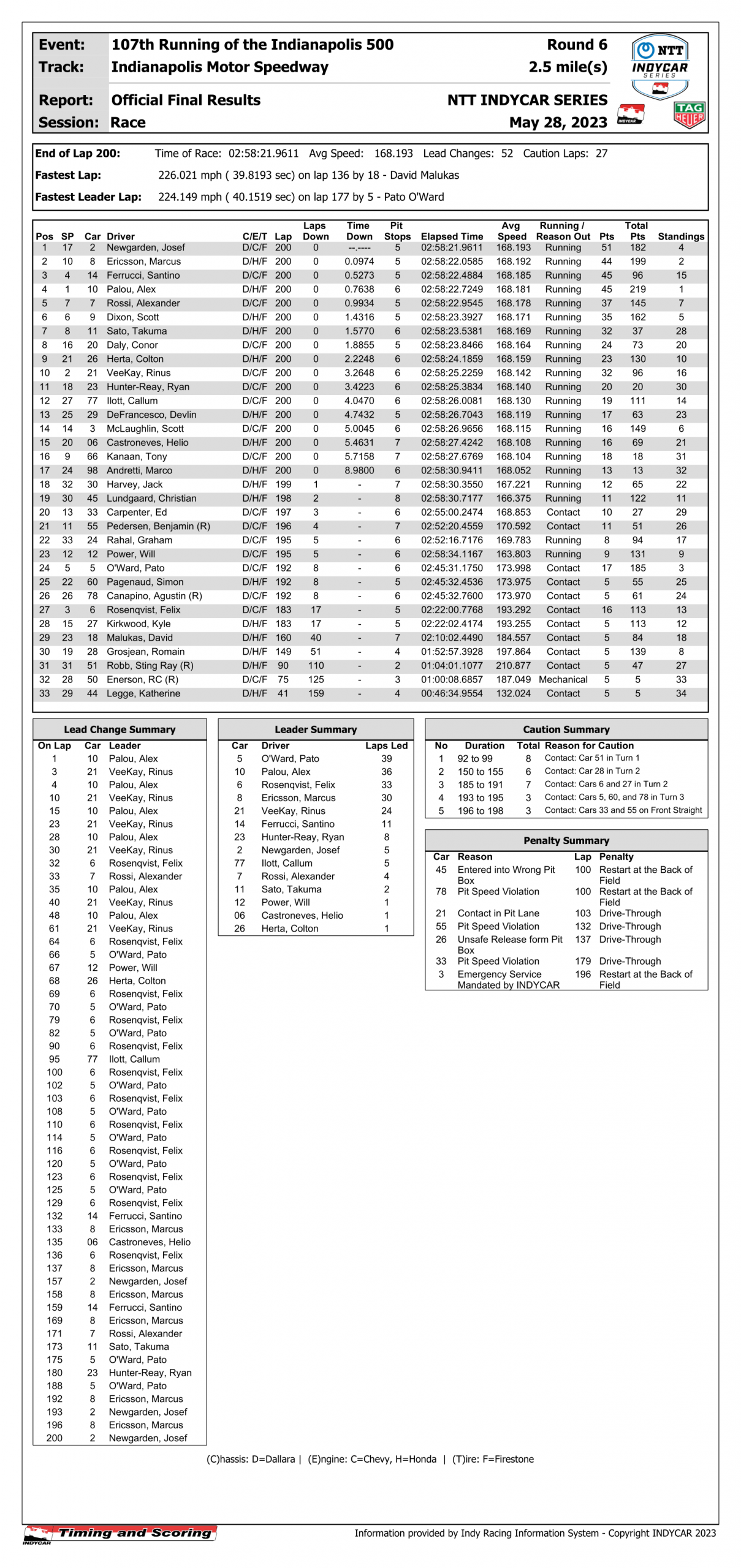
Different disciplines publish results in formats suited to their sport. Horse racing results list finishing order, margins, race time and official going. Motorsport results include finishing positions, lap times, fastest lap, penalties and total race time. Athletics results typically show placements, times or distances, qualification status and wind readings where relevant. Across all types, results may appear as provisional immediately after an event and later be confirmed following reviews.
How results are determined
Official results rely on timing technology, photo-finish systems and steward examinations. Electronic timing provides precision for close finishes; photo-finish cameras resolve margins measured in fractions of a second. In some cases officials apply penalties or disqualifications after reviewing incidents, changing provisional results. Governing bodies publish final results once all adjudications are complete to ensure fairness and compliance with rules.
Where to find reliable racing results
Trusted sources for official racing results include event organisers, sanctioning bodies and recognised media partners. Racecards, official websites and accredited timing organisations post results and stewards’ reports. For betting-related information, licensed bookmakers and official tote services display confirmed results and payout details. When checking results, look for timestamps and notes indicating provisional or final status.
Use and implications
Results affect rankings, prize money and historical records. Analysts and teams use detailed result data for performance evaluation and strategy. Punters rely on confirmed results for settling bets; any post-race amendments can alter payouts. Increasingly, real-time data feeds and analytics services turn raw results into insights for coaching, scouting and spectator engagement.
Conclusion
Racing results are more than a list of finishers: they are the authoritative record of competition outcomes. Readers should consult official channels for finalised results, be aware of possible post-event changes and consider how timely, accurate data can inform analysis, fandom and financial decisions. As technology advances, expect faster, more detailed result reporting and wider use of data-driven insights across racing disciplines.