

Lowest Scoring Super Bowl: How Super Bowl LIII Became a Defensive Duel
Introduction: Why the Lowest Scoring Super Bowl Matters
The phrase “lowest scoring Super Bowl” highlights more than a statistic: it prompts discussion about shifting tactics, rule changes and viewer expectations in the NFL’s showcase event. Super Bowl LIII’s exceptionally low total of 16 points renewed debate over whether championship games are being won by offence or defence, and why a game with fewer scores can still carry high stakes for teams, coaches and fans worldwide.
Main body: The facts behind Super Bowl LIII
Game details and outcome
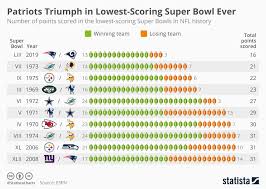
Super Bowl LIII, played on 3 February 2019 at Mercedes‑Benz Stadium in Atlanta, saw the New England Patriots defeat the Los Angeles Rams 13–3. The combined 16 points remain the fewest in Super Bowl history, a record that drew attention because modern NFL rules generally favour higher scoring. Julian Edelman was named Super Bowl MVP for his key receptions and steady contribution in a contest dominated by defensive plays and field position battles.
What happened on the field
The game unfolded as a defensive struggle. Neither offence could establish sustained momentum for long stretches, while both teams forced turnovers and punts at critical moments. The Rams settled for field goals at times and were held to just a single touchdown attempt that failed to materialise into points. The Patriots secured the win with efficient clock management and opportunistic plays, emphasising situational football over flashy scoring drives.
Context and comparison
Before LIII, the lowest combined score in Super Bowl history had been 21 points (Super Bowl VII, Dolphins 14–Redskins 7). That LIII fell below earlier low‑scoring finals underlines how matchups and coaching approaches can override broader trends towards higher scoring. It also showed that even a low‑scoring final can produce memorable moments and significant legacies — the Patriots earned their sixth championship with this victory.
Conclusion: Significance and outlook
Super Bowl LIII, as the lowest scoring Super Bowl, serves as a reminder that defence and strategy remain decisive in championship football. While league rules and offensive innovations generally push scoring upward, matchups, weather, personnel and game plans can still produce defensive duels on the sport’s biggest stage. For fans and analysts, the game highlighted that a low score does not necessarily mean a low‑quality contest; it can instead reveal the tactical depth that defines championship success. Future Super Bowls will likely trend higher in points, but LIII stands as a benchmark for how defence can still win titles.