

Understanding the Olympic Medal Table
Introduction
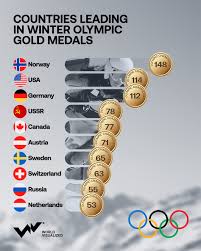
The Olympic medal table is a familiar snapshot during and after the Olympic Games, summarising which nations have won the most medals. Its importance lies in offering a quick comparison of national performance and fostering discussion about sport funding, national pride and international standing. For athletes, officials and the public alike, the medal table is a simple, visible measure of success that attracts widespread attention.
Main body
How the medal table is compiled
Most medal tables are organised by the number of gold medals won, followed by silver and then bronze to break ties. This gold-first approach emphasises the highest placing in each event. Some media outlets and organisations publish alternative tables ranked by total medals, which presents a different view of overall depth and consistency across a nation’s athletes.
Variations and methodology
There is no single official global ranking outside the Games themselves; organisers typically present results without endorsing one ranking method as definitive. Consequently, readers may encounter several versions during a Games: gold-first rankings, total-medal rankings, and per-capita or medals-per-athlete adjustments that attempt to account for national size and participation. Each method highlights different aspects of performance and can change public perception.
Limitations and context
While useful, the medal table does not capture the whole story. It does not reflect the competitiveness of events, the number of events entered by a nation, or broader achievements such as personal bests and national records. Comparisons across different editions of the Games are affected by changes in the sports programme and qualification systems, so context is essential when interpreting trends.
Conclusion
The Olympic medal table remains a powerful and accessible way to follow the Games, but readers should understand its construction and limitations. For a fuller picture, consider alternative rankings and contextual factors such as event mix and delegation size. Looking ahead, the medal table will continue to prompt debate about sporting success, policy and investment, making it a valuable starting point for deeper analysis rather than a definitive judgement.