

How to Read and Use a Championship League Table
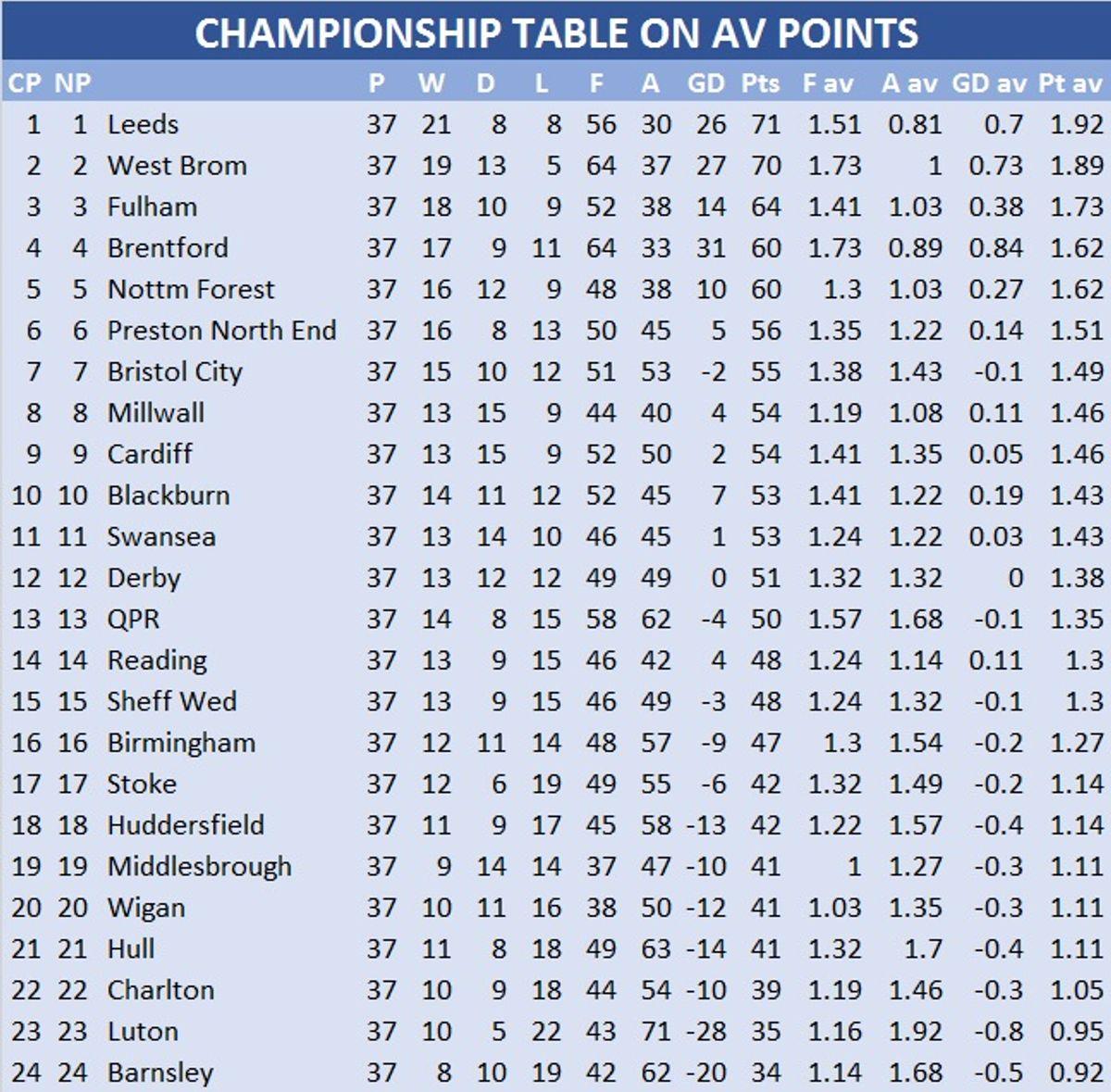
Introduction: Why the championship league table matters
The championship league table is the central reference for tracking performance across a football season. It summarises results, ranks teams and sets the scene for promotion, play-offs and relegation. For supporters, journalists and club officials alike, a clear understanding of the table is essential to assess form, set expectations and plan strategy.
Relevance to stakeholders
Fans use the championship league table to follow their team’s progress and gauge rivalries. Clubs consult the table for tactical and financial planning. Broadcasters and analysts rely on it to frame narratives and statistical insights. Its status as a concise snapshot of a league’s competitive order makes it indispensable throughout the season.
Main body: Structure, rules and interpretation
Key columns and what they mean
A typical championship league table lists clubs in descending order of points. Standard columns include matches played (P), wins (W), draws (D), losses (L), goals for (GF), goals against (GA), goal difference (GD) and points (Pts). Some tables also show recent form, home and away records, and games in hand.
How rankings are decided
Teams earn points—commonly three for a win and one for a draw. When clubs are level on points, tie-breakers such as goal difference and goals scored are used. Competition rules may specify additional criteria, such as head-to-head records or a play-off, to separate teams for promotion, relegation or qualification to further rounds.
Promotion, play-offs and relegation
In many championships, the top-placed teams gain automatic promotion, while a set of teams below them contest play-offs for an extra promotion spot. Conversely, the lowest-ranked clubs face relegation to a lower division. These outcomes make the positions within the table critically important from both sporting and financial perspectives.
Common pitfalls in interpretation
Readers should account for postponed matches and games in hand, which can temporarily distort the picture. Short-term trends in the table may not reflect longer-term performance; analysts therefore combine table data with form charts and underlying metrics.
Conclusion: Significance and practical tips
The championship league table is more than a list—it’s a dynamic tool for understanding a season’s narrative. To get the most from it, consult official league sources for up-to-date tables, check tie-break rules specific to the competition and consider complementary statistics such as expected goals and injury reports. For fans and professionals alike, regular reference to the table helps turn match results into meaningful context and informed forecasts as the season unfolds.