

Alan Shearer: From Record Goalscorer to BBC Pundit
Introduction
Alan Shearer is widely regarded as one of English football’s all-time greats. His career achievements — most notably finishing as the Premier League’s top scorer with 260 goals — continue to shape discussions about the modern game. For fans, pundits and historians, Shearer’s record, awards and subsequent media presence make him a lasting figure in English football.
Main body
Early life and physical profile
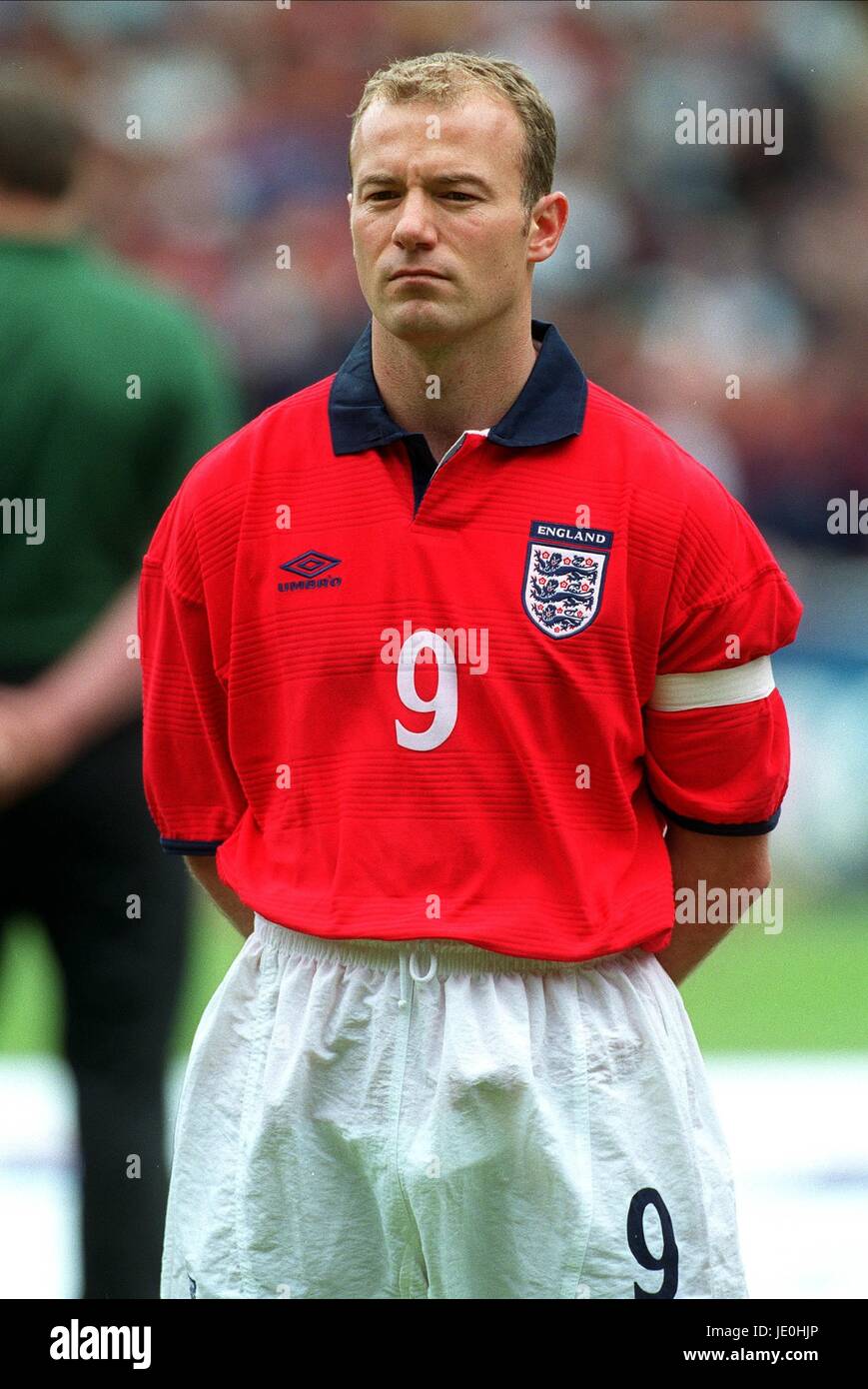
Born on 13 August 1970 in Newcastle upon Tyne, England, Shearer stood out early for his physical attributes and goalscoring ability. Listed at 183 cm and 78 kg, he played as a striker at the top level of English league football for Southampton, Blackburn Rovers and Newcastle United, as well as representing the England national team.
Club success and records
Shearer’s club career includes standout achievements at Blackburn Rovers, where he helped the club to its only Premier League title in 1995. Across his Premier League career he amassed 260 goals, remaining the competition’s all-time leading scorer. During the 1994–95 title-winning campaign he recorded an exceptional season of goal involvement: 34 goals and 13 assists, a tally matched with Andrew Cole’s 1993–94 numbers in terms of goal involvements (47) for the era.
International and individual honours
On the international stage, Shearer was England’s leading marksman at Euro 1996, finishing as the tournament’s top scorer with five goals in five matches while playing under Terry Venables. Individually, he was named Football Writers’ Association Player of the Year in 1994 and won the PFA Player of the Year award in 1995.
Later career and retirement
In the late 1990s Shearer continued to perform at a high level for Newcastle United. In 1998–99 he scored 14 league goals in 30 games and replaced Rob Lee as club captain; across all competitions that season he registered 22 goals in 37 appearances. Announcing that the 2004–05 season would be his final one, Shearer scored seven goals in 28 games as Newcastle finished 14th, before retiring from playing in 2006.
Conclusion
Alan Shearer’s legacy rests on prolific goalscoring, major honours and consistent high-level performances. Now a regular BBC pundit often appearing alongside Gary Lineker, his perspective continues to influence how modern football is understood. For readers, Shearer’s career offers a benchmark in striking excellence and a reminder of the enduring value of goals, leadership and professional longevity in the sport.