

Kirsty Coventry: From Olympic Glory to Sports Leadership
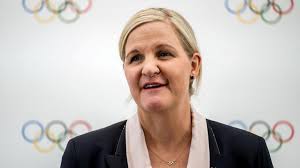
Introduction: Why Kirsty Coventry still matters
Kirsty Coventry is one of Africa’s most recognisable sporting figures. As a former Olympic champion from Zimbabwe who won multiple medals at the world’s biggest stage, she combines athletic achievement with public service. Her career — spanning elite sport, international sports governance and national leadership — makes her a central voice on athlete development, sports infrastructure and the role of sport in national recovery.
Main body: Achievements and recent roles
Sporting legacy
Born in Harare in 1983, Coventry rose to international prominence through elite swimming. Across several Olympic Games she won seven Olympic medals, including two Olympic titles, and set world-class standards in backstroke and medley events. She competed collegiately in the United States while building a record that made her one of the continent’s most decorated Olympians and a role model for young athletes across Africa.
Transition to leadership
After retiring from competition, Coventry transitioned into sports administration and public service. She has taken roles within international sports organisations and has served in Zimbabwean government portfolios related to youth and sport. In these positions she has been prominent in advocating better support for athletes, improved grassroots development and upgraded sporting facilities — priorities widely seen as essential for nurturing future generations of competitors.
Advocacy and international engagement
Coventry’s international profile has given her a platform to comment on governance, athlete welfare and anti-doping. Working with peers at continental and global levels, she has emphasised the need for sustainable investment in sport, transparent administration and pathways that enable talented athletes from lower‑resource countries to compete on equal terms.
Conclusion: Significance and outlook
Kirsty Coventry’s combination of elite success and public responsibility gives her work continuing relevance. For readers in Zimbabwe and beyond, her career underscores how sporting excellence can lead to broader influence in policy and development. Going forward, the impact of her advocacy will be measured by tangible improvements in athlete support, facilities and governance — factors that will shape whether future generations can match or exceed the standards she set in the pool.