

UFC White House: Why a Presidential Meeting Would Matter
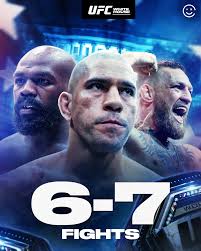
Introduction: Why the UFC White House Idea Matters
The prospect of a UFC White House engagement — whether a visit by fighters, executives or advocates — attracts attention because it would symbolise the mainstream recognition of mixed martial arts in American public life. Such a meeting would be relevant to fans, policymakers and health professionals alike: it would highlight the sport’s commercial growth, its cultural reach and the policy questions that surround athlete safety, regulation and labour rights.
Main body: What a White House meeting could involve
Symbolic recognition and public profile
Presidential meetings with athletes and teams traditionally serve to acknowledge achievement and to send a broader public message. A UFC White House event would raise the league’s national profile and offer a platform for messages around fitness, discipline and American sport. It could also be used to celebrate milestones such as international expansion, charitable work by fighters, or high-profile bouts that captured public interest.
Policy conversations and safety concerns
Beyond symbolism, a visit could open substantive discussions. Mixed martial arts faces ongoing scrutiny on medical protocols, concussion management and fighter welfare. A White House engagement might bring those issues onto the national agenda, prompting dialogue between promoters, medical experts and regulators about safety standards, long-term health research and insurance or retirement frameworks for combat athletes.
Economic and social implications
The UFC is a notable economic actor: events generate tourism, broadcasting revenue and employment in venue services. A high-level meeting could touch on trade, visa arrangements for international fighters, or initiatives that use combat sports to engage youth in education and employment programmes.
Conclusion: Significance and likely outcomes
While there is no single template for what a UFC White House meeting would produce, its significance would be twofold: cultural legitimisation and the opportunity for policy-focused conversations. For readers, the key takeaways are that such an encounter would spotlight both the sport’s mainstream influence and the unresolved questions about athlete health and labour protections. If pursued, stakeholders should expect public scrutiny, media attention and a practical need to frame any meeting around clear messages on safety, community benefits and the sport’s economic footprint.