

Athletic Club vs Sporting: What the names mean for fans
Introduction
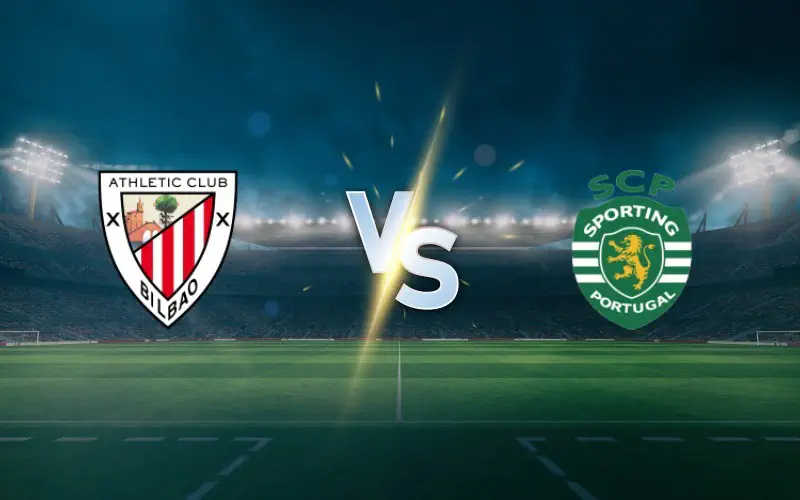
The distinction between the terms “athletic club” and “sporting” matters to fans, historians and marketers. Club names carry historical and cultural meaning, influence brand identity and affect how supporters and media refer to teams. Whether discussing Athletic Club of Bilbao or Sporting Clube de Portugal, the choice of wording reflects origins, language and tradition — and can still shape perceptions today.
Main body
Historical origins and examples
“Athletic” is an English-derived term commonly adopted in the late 19th and early 20th centuries as football spread across Europe. A prominent example is Athletic Club from Bilbao, founded in 1898. The English term stayed in its official name because British influence was significant in early Spanish football. Athletic Bilbao is also well known for its Basque-only player policy, a tradition that reinforces local identity alongside its English-derived name.
Conversely, “Sporting” appears in several club names, often reflecting a more general reference to sport. Sporting Clube de Portugal (commonly called Sporting CP) was founded in 1906 and is one of Portugal’s biggest clubs. In some English-language contexts it is called “Sporting Lisbon,” though that is not the club’s official name and is sometimes disputed by fans and commentators. In the United States, Sporting Kansas City adopted the “Sporting” label when rebranding in 2010, signalling a continental-style sporting identity rather than a single-sport franchise model.
Practical differences
Beyond history, differences are largely linguistic and cultural. “Athletic” may evoke a link to early British pioneers of organised sport; “Sporting” can suggest a broader, multi-sport heritage or continental naming convention. For media, marketers and supporters, the preferred term can matter for authenticity and search visibility — for example, whether to use “Sporting Lisbon” or “Sporting CP” in coverage.
Conclusion
In short, “athletic club vs sporting” is less a debate about function than about history, language and identity. Both terms are entrenched in football culture and carry distinct connotations that matter to fans and brands. Going forward, clubs and commentators will continue to balance historical accuracy, local preference and international recognition when choosing how to present a name to supporters and the wider sporting world.