

Understanding the Curling Stone: Role, Construction and Significance
Introduction: Why the Curling Stone Matters
The curling stone is the central object in the sport of curling and a decisive factor in competitive outcomes. Its material, shape and surface condition determine how it travels and curls on the ice, affecting shot-making at grassroots rinks and world championships alike. For players, coaches and ice technicians, understanding the stone is essential to strategy, maintenance and equipment selection.
Main body: Construction, Standards and Performance
Materials and design
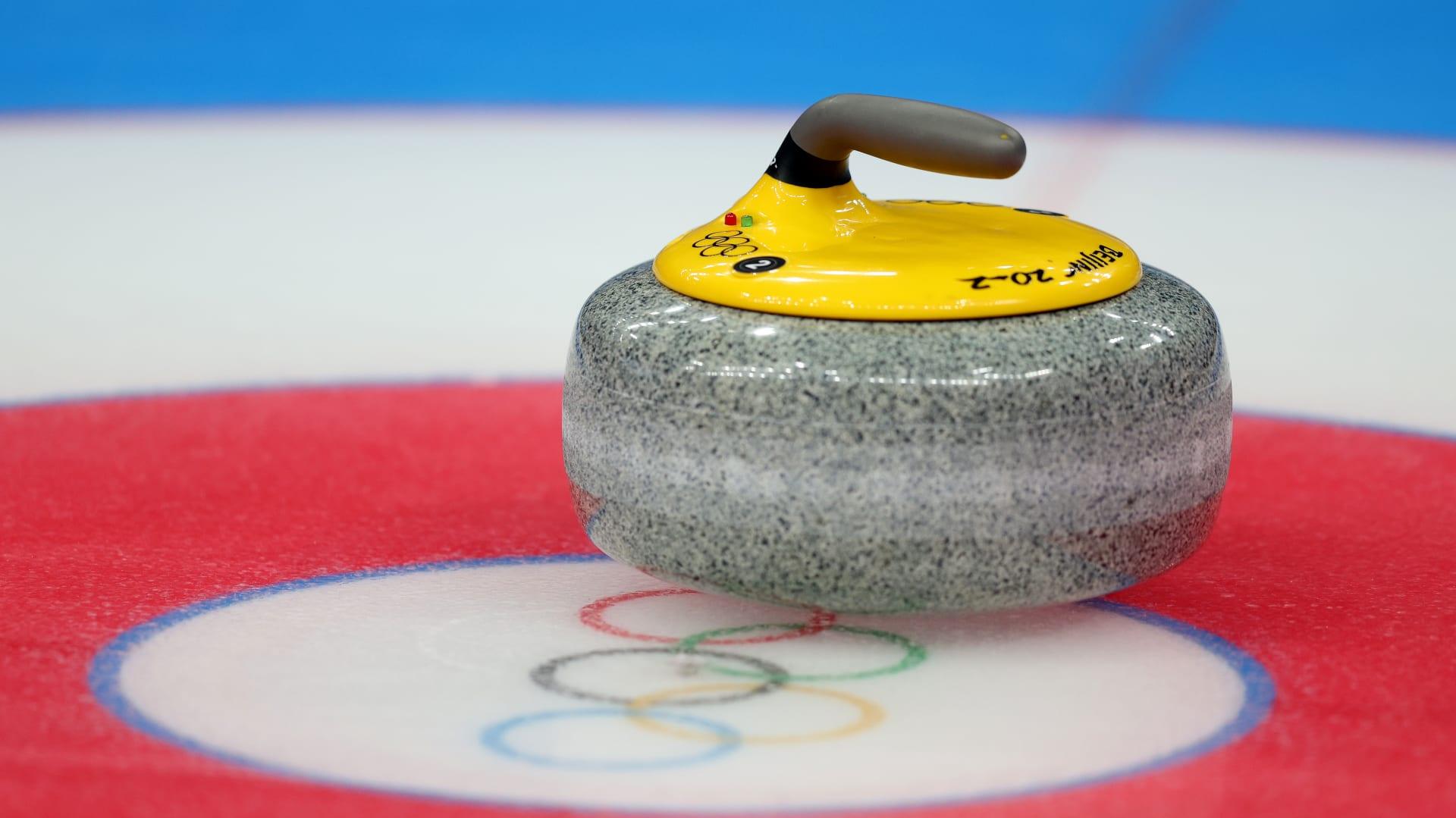
Modern curling stones are traditionally made from dense granite, selected for durability and resistance to chipping. A notable source of granite historically used by manufacturers is Ailsa Craig, an island off the coast of Scotland, although other granites are also used. Each stone consists of a rounded body and a handle fixed to the top. The stone’s running surface — the narrow band that contacts the ice — is precisely finished to interact predictably with the ice surface.
Regulation and weight
Governing bodies set specifications to ensure fair play. Stones are manufactured within a narrow weight range so players can rely on consistent delivery and sweeping tactics. The standardisation helps maintain comparability of play across venues and levels of competition.
Ice interaction and shot control
The combination of the stone’s surface texture and the ice preparation determines how much the stone will curl. Ice technicians pebble the ice surface and may use different pebble sizes and temperatures to influence speed and curl. Sweepers alter friction ahead of the stone to extend travel or reduce curl, making teamwork and timing critical to execute precise shots.
Maintenance and lifecycle
Stones are subject to wear: edges can chip and running surfaces can become uneven. Regular inspection, resurfacing and occasional replacement ensure consistent behaviour. Major competitions often use specially prepared sets of stones to eliminate variability between venues.
Conclusion: Significance and Outlook
The curling stone remains both a symbol and a technical element of the sport. Incremental advances in materials science, manufacturing and ice management continue to refine performance, while standardised regulations preserve fairness. For players and officials, ongoing attention to stone maintenance and ice preparation is essential to high-quality play and accurate competition results.