

How to Follow the Winter Olympics Schedule and Results
Why the Winter Olympics schedule and results matter
The Winter Olympics are a major international sporting event that bring together athletes across multiple snow and ice disciplines. The schedule and results are central for fans, broadcasters, national teams and athletes: they determine when events take place, who progresses, and how medals and rankings evolve across the fortnight of competition. Accurate schedules and timely results are essential for planning viewing, travel and athlete preparation.
Main body: what the schedule includes and how results are published
Structure of the competition schedule
The Winter Olympics schedule is typically released by the organising committee several months before the Games. Competitions are spread over roughly two weeks and begin with an opening ceremony, followed by daily sessions of preliminary rounds, qualifiers and finals. Events are scheduled across a range of sports—commonly including alpine skiing, cross‑country skiing, biathlon, ski jumping, Nordic combined, snowboarding, freestyle skiing, figure skating, speed skating, short track, bobsleigh, luge and ice hockey—each with multiple medal events.
How and where results are provided
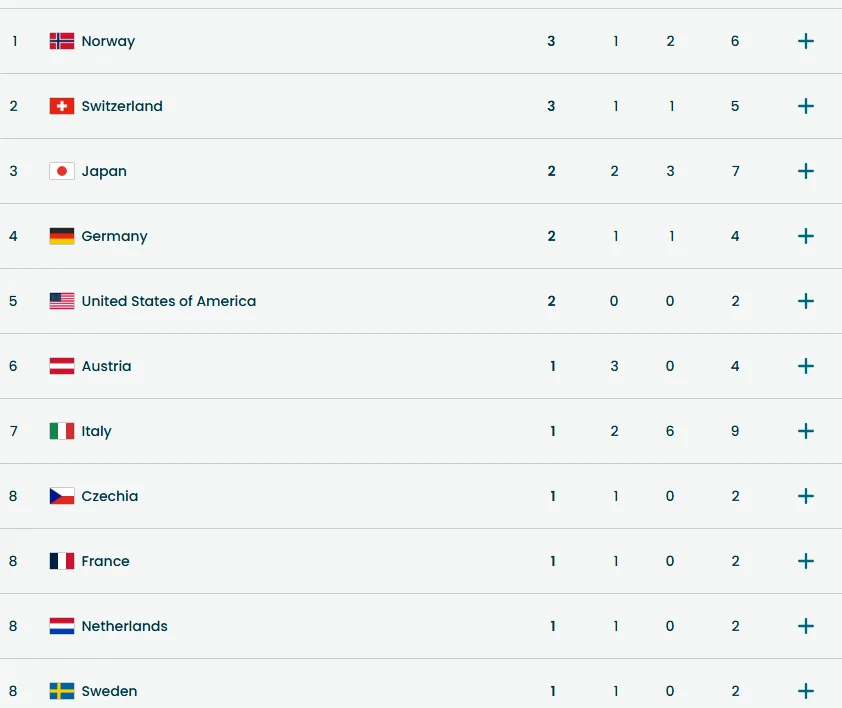
Official results are published live and updated throughout the day by the Games’ official website and app, and by the International Olympic Committee. National broadcasters and major sports news outlets also provide live timing, race-by-race summaries and medal tables. Results typically include finishing positions, times or scores, qualification status and eventual medal winners. Daily medal standings and country rankings are refreshed as events conclude.
Practical considerations for followers
Time zones can affect viewing times: session start times are given in local time and often converted for major broadcast territories. Fans should consult the official schedule for session start times, qualification rounds and finals to avoid missing key moments. Many services provide alerts for favourite sports or athletes.
Conclusion: significance and what to expect
Following the Winter Olympics schedule and results allows fans to track competition flow, celebrate medal winners and analyse national performance. For broadcasters and teams, timely and accurate information is vital for logistics and strategy. For readers planning to follow the Games, the best approach is to rely on the official Games website and trusted national broadcasters for live schedules, real‑time results and verified medal tables.