

The Rising Trend of Backyard Ultra Races
Introduction
In recent years, the Backyard Ultra race format has gained significant traction among endurance athletes, attracting participants and spectators alike. The event, which involves competitors running a 4.167-mile loop every hour until only one remains, has become a unique test of physical and mental endurance. As more athletes seek challenging and unconventional formats, Backyard Ultras are becoming a staple in the endurance racing calendar.
What is a Backyard Ultra?
The first Backyard Ultra was introduced in 2011 by Gary Cantrell, widely known as Lazarus Lake, in Tennessee. The simplicity yet complexity of the race format creates a thrilling experience for both runners and fans. Runners must complete as many loops as possible, with each lap consistently timed to one hour. The challenge accelerates as fatigue builds, and as runners drop out, the remaining competitors face increased pressure and diminished company.
Recent Events and Popularity
According to statistics from Ultrarunning Magazine, the number of Backyard Ultra races held globally has surged in 2023, with over 300 events being hosted in various countries. Notable events like the Big’s Backyard Ultra, which takes place in Bell Buckle, Tennessee, and features elite ultrarunners, have showcased the race format’s increasing appeal. This year, the race attracted participants from around the globe, leading to discussions on its potential inclusion in ultrarunning championships.
Furthermore, the record-setting performances seen across these events continue to draw attention. For instance, in 2023, an athlete managed to complete 75 loops, setting a new record that further highlights the competitive nature of these races.
The Community Aspect
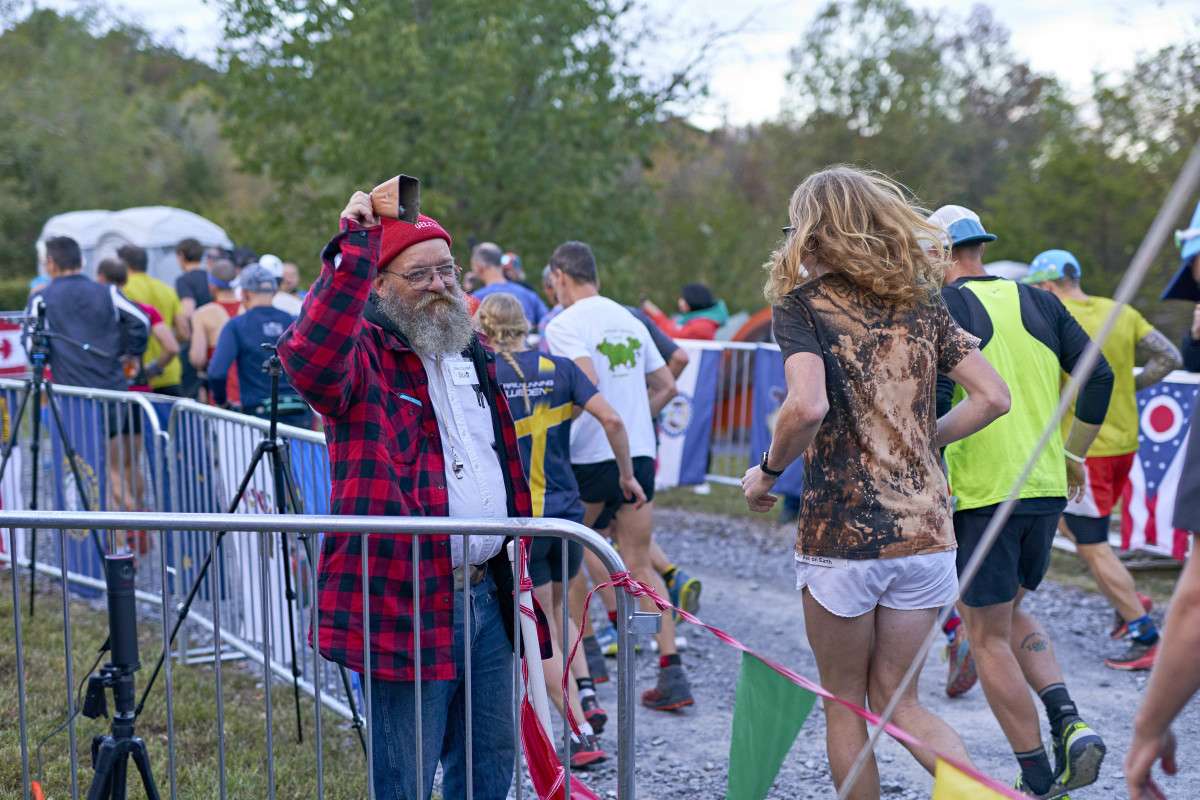
The Backyard Ultra format not only tests physical limits but also fosters a unique community among participants. Runners often describe the atmosphere as supportive and collaborative, reflecting a shared experience of endurance. Many events encourage camaraderie through shared support during runs, with teams cheering on each other, creating an enriching environment that goes beyond competition.
Conclusion
The Backyard Ultra race format stands out in the world of endurance sports for its blend of competition, community, and personal challenge. As more racers and event organisers embrace this growing trend, the Backyard Ultra is poised for further expansion in 2024 and beyond. Endurance athletes seeking a new challenge will likely find the appeal of these races irresistible as they combine physical endurance with emotional resilience and community spirit.