

Winter Olympics: Relevance, Preparations and Future Outlook
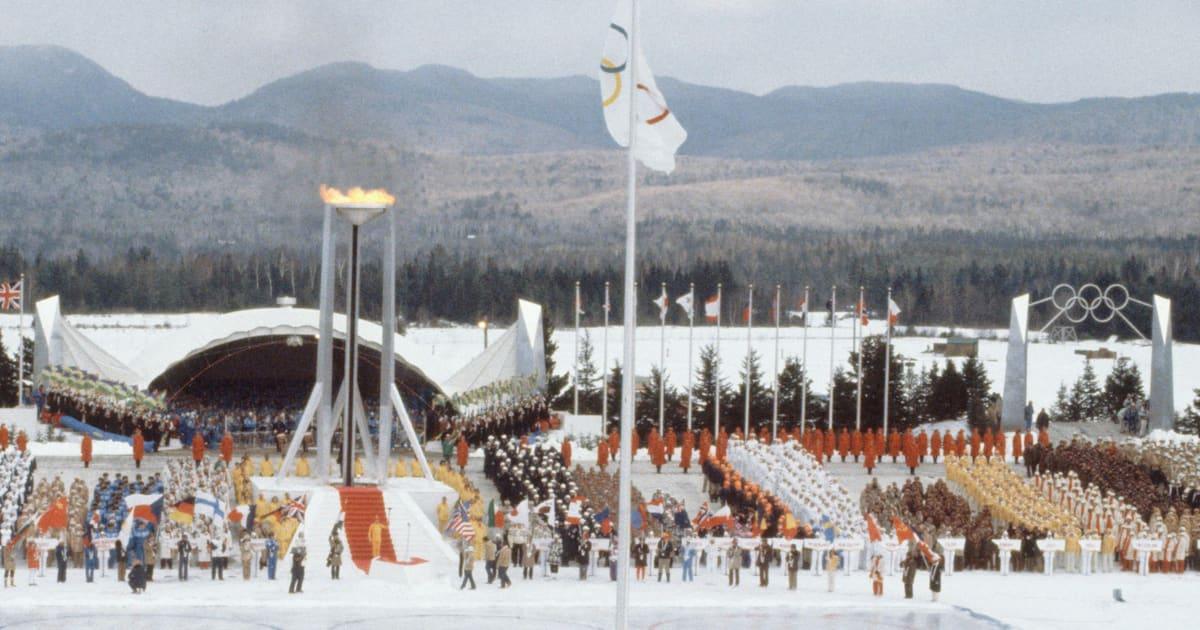
Introduction: Why the Winter Olympics matter
The Winter Olympics remain one of the world’s most prominent international sporting events, bringing together athletes from many nations to compete in winter sports. Beyond medals and records, the Games attract global audiences, influence winter sport participation and prompt host cities to invest in infrastructure and sustainability. Understanding the Winter Olympics is therefore important for athletes, organisers, host communities and viewers alike.
Main body
Event overview
The Winter Olympics is a multi‑sport international competition featuring disciplines such as alpine skiing, figure skating, ice hockey, cross‑country skiing and snowboarding. Traditionally held every four years, the event is overseen by the International Olympic Committee and involves opening and closing ceremonies, qualification systems for athletes and a comprehensive competition schedule. The Games are broadcast worldwide and generate significant attention across traditional and digital media platforms.
Preparations and participation
Host cities and national federations undertake extensive planning to stage the Winter Olympics, including venue construction or upgrades, athlete accommodation, transport logistics and broadcast facilities. Preparation also encompasses athlete selection, training camps and qualification events. Increasingly, sustainability measures and legacy use of venues are central to planning, as organisers seek to balance the immediate demands of staging the Games with long‑term community and environmental considerations.
Operational and social considerations
Operational priorities include athlete safety, fair competition, anti‑doping controls and secure delivery of events for spectators. Social considerations often include the economic impact on local communities, employment opportunities and tourism, as well as concerns about cost, displacement and environmental effects. Host cities and international bodies frequently highlight strategies to maximise benefits for residents while mitigating adverse effects.
Conclusion: Significance and outlook
The Winter Olympics continue to shape the winter sports calendar and public interest in winter disciplines. For readers, the Games signal trends in international sport: emphasising athlete wellbeing, environmental sustainability and technological innovation in event delivery and broadcasting. Looking ahead, stakeholders can expect ongoing efforts to make the Winter Olympics more sustainable, inclusive and resilient in the face of logistical and climatic challenges, while preserving the competitive spirit that defines the event.