

Chamonix 1924: The First Winter Olympics and Their Legacy
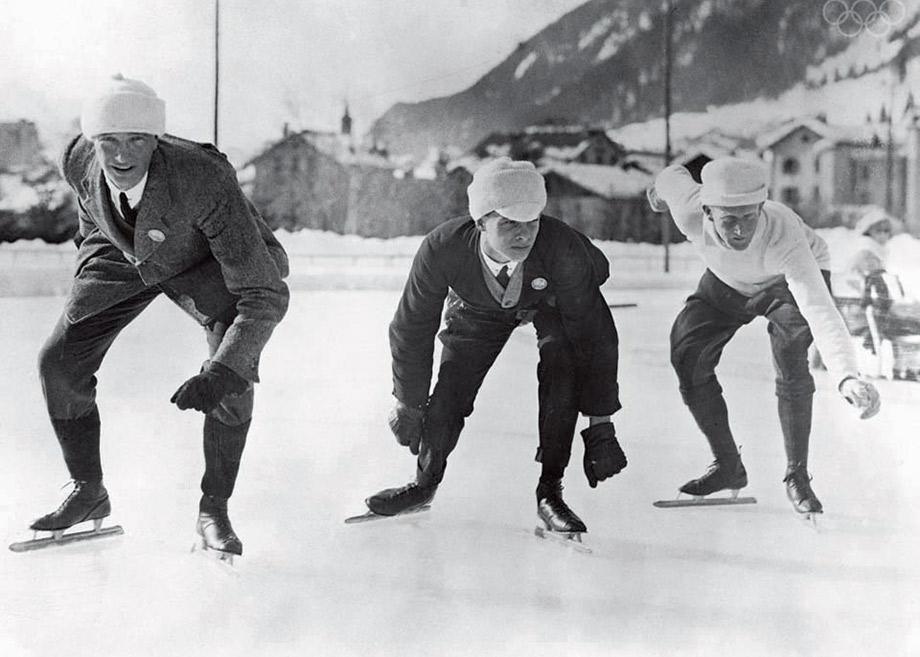
Introduction: Why the first Winter Olympics matter
The first winter olympics, held in Chamonix, France, in 1924, marked a turning point for international sport. Recognised by the International Olympic Committee as the I Olympic Winter Games, the event formalised winter competition on a global stage. Its significance lies not only in medals and records but in establishing traditions, international cooperation and the infrastructure that would underpin winter sport for decades.
Main body: Origins, events and outcomes
From festival to Olympics
The Chamonix meeting ran from 25 January to 5 February 1924 and was originally organised as an “International Winter Sports Week” to showcase winter disciplines. After the event, the IOC retroactively designated it the first Winter Olympic Games, giving the week an enduring place in Olympic history.
Participation and sports
Some 16 nations sent athletes to Chamonix, where around 250–260 competitors contested events across winter disciplines such as figure skating, speed skating, ice hockey, bobsleigh and Nordic skiing (including cross‑country, ski jumping and Nordic combined). The programme brought together established and emerging winter sports, helping to standardise rules and international competition formats.
Notable results and legacy
Norway emerged as a dominant force, topping the medal table and emphasising the strength of Nordic skiing nations in early Winter Games. The successful staging of the Chamonix programme persuaded the IOC to hold a separate Winter Games on a regular four‑year cycle, beginning with St Moritz in 1928. Chamonix therefore set organisational precedents for venues, athlete accommodation and event scheduling that informed future Games.
Conclusion: Enduring significance and contemporary relevance
The first winter olympics in Chamonix established the Winter Games as an independent, quadrennial international event and accelerated the global development of winter sport. For modern readers and prospective hosts, the 1924 Games offer lessons about legacy planning, the importance of international cooperation and the need to adapt to evolving challenges—such as venue sustainability and changing climate conditions—that will shape future Winter Olympics. Chamonix remains a touchstone in Olympic history, a reminder of how a single week of competition can create a lasting international sporting institution.