

The first FIFA World Cup: Uruguay 1930
Introduction: Why the first FIFA World Cup matters
The first FIFA World Cup established an international football stage that endures today. Held in 1930, this pioneering tournament demonstrated the sport’s capacity to bring nations together, set organisational precedents for future competitions and created enduring icons. Understanding the first FIFA World Cup helps explain how football grew from regional contests into the global event watched by billions.
Main body
Organisation and participants
FIFA, led by president Jules Rimet, awarded the hosting rights to Uruguay to mark the centenary of the country’s independence. The tournament ran from 13 July to 30 July 1930. Thirteen teams took part: seven from South America, four from Europe and two from North America. Travel difficulties of the era limited European participation, but representatives from France, Belgium, Romania and Yugoslavia made the trip. The competition format comprised four groups with the group winners progressing to the semi-finals.
Key matches and moments
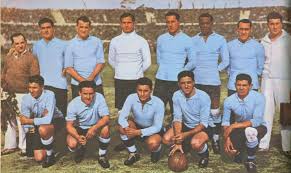
The opening matches on 13 July included France’s 4–1 win over Mexico, in which Lucien Laurent scored the first goal in World Cup history — a landmark moment now celebrated in football history. Games were held mainly in Montevideo, with the new Estadio Centenario built for the tournament becoming the focal venue. The competition culminated in a final on 30 July 1930 between hosts Uruguay and neighbours Argentina. Uruguay won 4–2, securing the inaugural world title and delighting the home crowd.
Players and legacy
Several players from the tournament went on to become early icons of international football. The competition produced notable performances and the first official top scorer accolades, helping to popularise national-team football outside the Olympic context that previously dominated international fixtures.
Conclusion: Significance and legacy
The first FIFA World Cup set a template for subsequent tournaments: a global schedule, national representation and a unifying sporting spectacle. Its success encouraged FIFA to continue and expand the event, ultimately creating the quadrennial World Cup that shapes modern sport, diplomacy and culture. For readers today, remembering the first FIFA World Cup is a reminder of football’s rapid international growth and the tournament’s ongoing role in global sporting life.