

The Story and Significance of the FA Cup Trophy
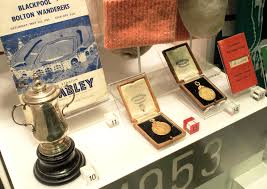
Introduction: Why the FA Cup trophy matters
The fa cup trophy is one of the most recognisable symbols in English football, carrying more than a century of history. Its changing forms reflect the competition’s longevity and the culture around honours in the sport. Understanding the trophy’s evolution helps fans and readers appreciate not only the silverware itself but also how custodianship, design and preservation have shaped its story.
Main history and key events
Multiple cups and designs
Across its history there have been five different physical FA Cups and two main designs, a track record that compares interestingly with international trophies — “the five different FA Cups dwarfs the two World Cups,” a contrast sometimes noted by commentators. Winners of the FA Cup final receive the trophy, which remains the emblem of domestic cup success.
Theft, fines and replacements
Notable incidents influenced the trophy’s development. One early controversy saw the cup stolen while in the care of the then-reigning champions; Aston Villa were fined £25 by the Football Association to pay for a replacement because the cup had been their responsibility at the time of the theft. Events such as this prompted reconsideration of design and security.
Design changes and longevity
The chunkier, more substantial-looking trophy that many associate with the FA Cup today was commissioned from Bradford jeweller Fattorini and introduced in time for the 1911 Cup final. A previous version was taken out of circulation in 1910 and presented to FA President Lord Kinnaird. More recently, a fifth incarnation of the trophy was designed in 2014 by silverware company Thomas Lyte, who also created the Women’s FA Cup trophy; the redesign included measures intended to ensure a sturdier future for the award.
Modern visibility
The official Emirates FA Cup Trophy continues to appear at major finals, including the 2022 final at Wembley Stadium between Chelsea and Liverpool, underscoring its ongoing role as the emblem of one of English football’s oldest competitions.
Conclusion: Significance and outlook
The fa cup trophy remains a potent symbol of achievement and continuity in English football. Its multiple incarnations reflect lessons learned from thefts, custodial responsibilities and the need for durability. With modern designs intended to endure, the trophy is likely to remain central to FA Cup finals and the celebration of winners for years to come.