

Etihad Stadium: A Premier Venue for Football and Events
Introduction
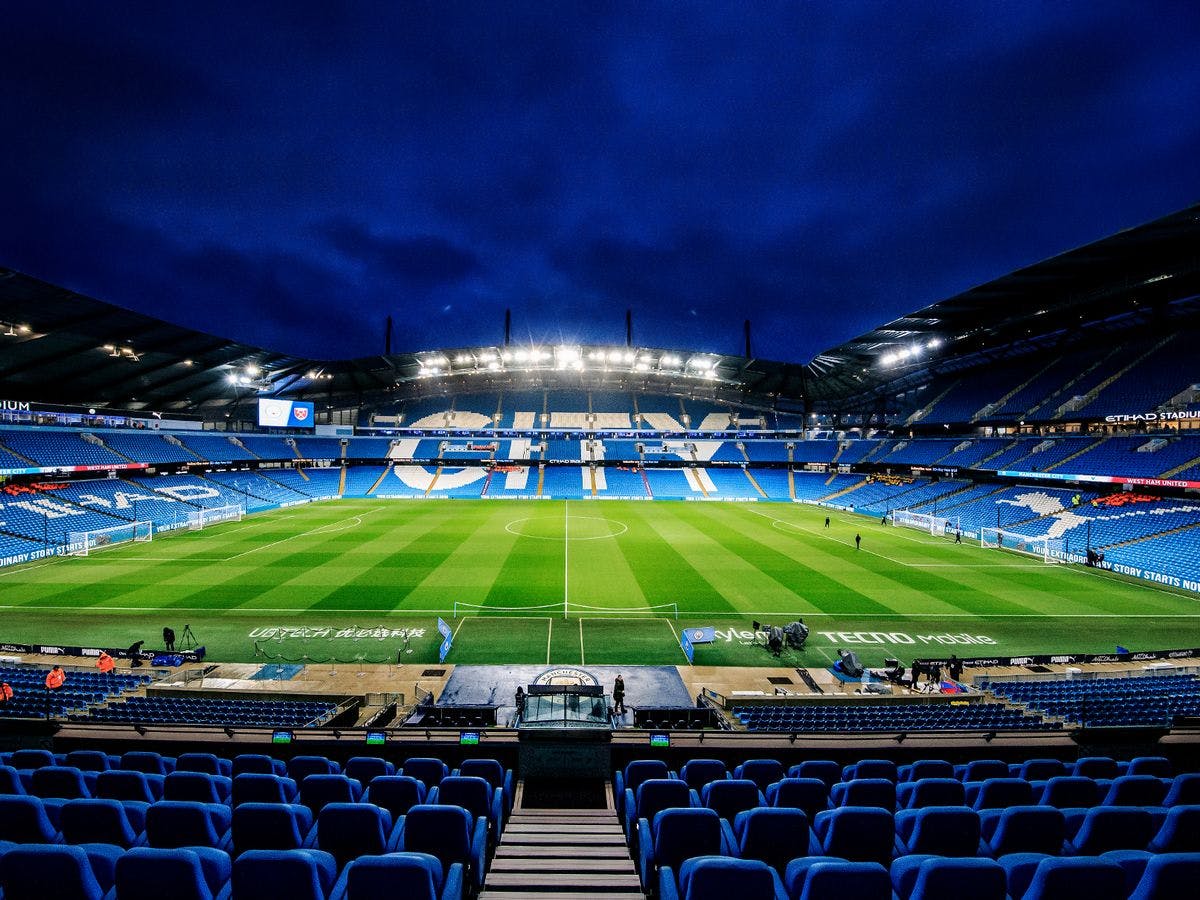
Etihad Stadium, the home of Manchester City Football Club, stands as a significant landmark in both the sporting and cultural fabric of Manchester. Opened in 2003 after a complete redevelopment of the former Maine Road ground, it has grown to become not only a cornerstone for football in the UK but also a sought-after venue for concerts and events, highlighting its importance in modern sporting infrastructure.
The Stadium’s History and Evolution
Originally known as the City of Manchester Stadium, Etihad Stadium was constructed as part of Manchester’s bid for the 2002 Commonwealth Games. Its current naming rights were acquired by the Etihad Airways in 2011, solidifying the partnership between the airline and the football club.
Throughout the years, the stadium has undergone significant changes, substantially expanding its seating capacity from 38,000 to 53,000. The most recent developments include enhancements to fan experience, with improved hospitality facilities and a focus on creating a vibrant matchday atmosphere.
Recent Events and Future Prospects
In recent months, Etihad Stadium has hosted various high-profile events beyond football, including concerts by international artists and the UEFA Women’s Euro 2022 matches. The club’s successful performance in the Premier League has also drawn record crowds, emphasizing the stadium’s integral role in Manchester City’s resurgence as a football powerhouse.
The ongoing discussions around further expansions and upgrades are indicative of the club’s ambition to maintain its status among the elite in European football. With plans to enhance accessibility and sustainability, the Etihad Stadium’s future looks promising, making it a pivotal location for both sports and community engagement.
Conclusion
Etihad Stadium embodies the evolution of modern sports venues, showcasing the intersection of football passion and architectural innovation. As it continues to develop and adapt, the stadium not only serves Manchester City fans but also fosters a sense of community and cultural pride in the wider Manchester area. The ongoing commitment from the club to enhance the stadium ensures it will remain relevant and significant in the years to come.