

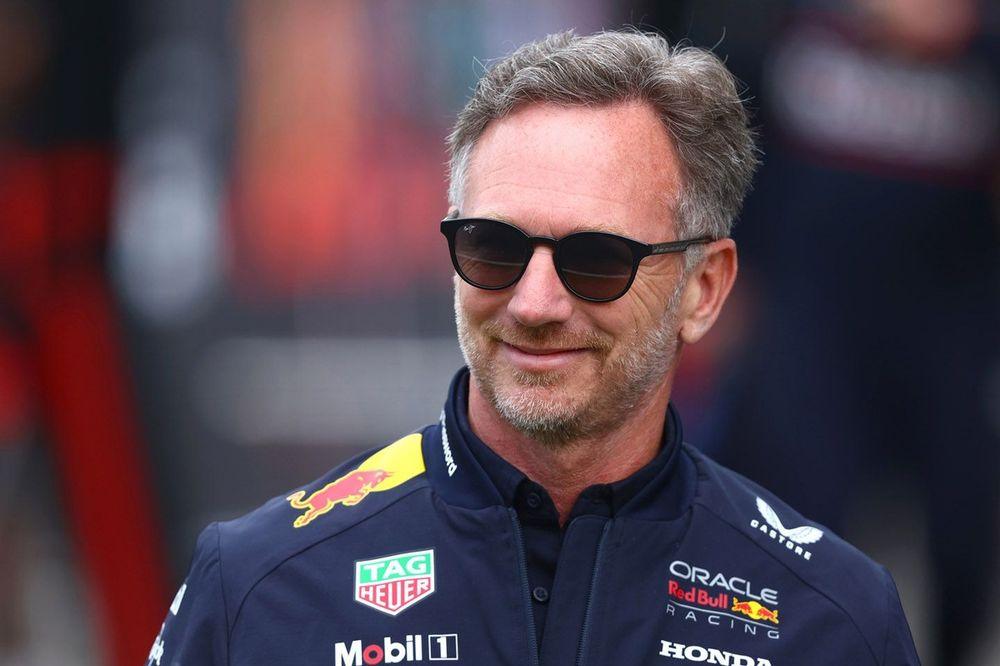
Christian Horner steps down as Red Bull Racing team chief
Introduction
Christian Horner has been one of the most prominent figures in modern Formula 1, overseeing a period of sustained success at Red Bull Racing. His departure is significant for the sport because it marks the end of a two-decade association between Horner and the team he helped build into a championship force. Understanding his record and the circumstances of the leadership change is important for followers of Formula 1, team members and sponsors.
Main body
Career and achievements
Christian Edward Johnston Horner, born 16 November 1973, is a British former motorsport executive and former racing driver. He led Red Bull Racing from 2005 until 2025 and was awarded an OBE in recognition of his and the team’s achievements. Under his stewardship the team enjoyed multiple eras of success. During the early 2010s the Red Bull programme, with drivers such as Sebastian Vettel, produced four consecutive double world championships between 2010 and 2013. More recently the team dominated the ground effect regulations, winning both constructors’ and drivers’ titles in 2022 and 2023, taking 38 of 44 grands prix over those two seasons. In 2024 Red Bull set further records as Max Verstappen achieved a record 19 race victories and the team recorded the most wins and most points in a single season, including a streak of 15 consecutive grand prix wins.
Recent developments
On 9 July 2025 Red Bull announced that Horner has been released from his operational duties with immediate effect and that Laurent Mekies would take over as CEO of Red Bull Racing. A Red Bull spokesperson said: “Red Bull has released Christian Horner from his operational duties with effect from today (Wednesday 9 July 2025) and has appointed Laurent Mekies as CEO of Red Bull Racing.” Mekies commented on leadership changes within the organisation, saying: “The last year and a half has been an absolute privilege to lead the team with Peter [Bayer, Racing Bulls CEO].” The announcement follows a long tenure in which Horner guided the team through multiple technical and competitive cycles.
Conclusion
The exit of Christian Horner brings a clear management change at one of Formula 1’s leading teams. For readers, the development underlines how leadership transitions can coincide with major competitive eras in the sport. Laurent Mekies’s appointment signals a new chapter for Red Bull Racing, while Horner’s tenure will be remembered for sustained success, major records and his role in shaping the team’s identity from 2005 to 2025.