

How a football club works: from community to professional pathways
Introduction: Why the football club matters
A football club is more than a team on matchday; it is the organising entity through which association football is played, managed and sustained. From world-famous professional outfits such as FC Barcelona playing at Camp Nou to local community sides, clubs structure leagues, competitions and player development. Understanding how clubs operate is important for fans, parents, players and local communities because clubs are the primary gateway to competitive football and to broader social benefits.
Main body
What is a football club?
In association football terminology a club is a sports organisation that fields teams and enters them in competitions commonly called “club competitions”. Most clubs participate in a league system and many exist as formal business entities. Professional clubs must also comply with FIFA regulations, one consequence of which is that players may not be legally owned by entities other than the clubs themselves. Clubs can be professional, semi-professional or amateur, and include both men’s and women’s teams.
Community focus: United FC
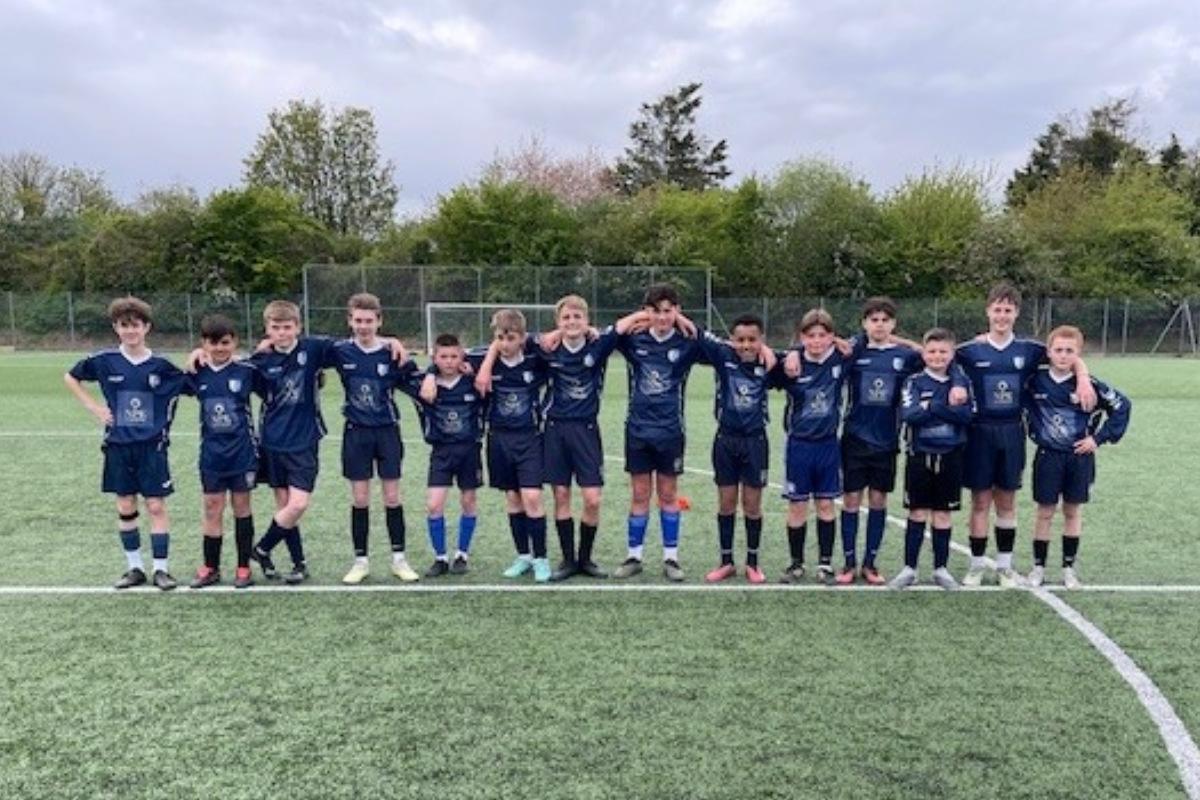
United FC exemplifies the community side of the sector. Describing itself as a tight-knit community of passionate individuals, the club emphasises teaching, development and enjoyment for players of all ages and abilities. United FC offers youth programmes designed to build skills, confidence and lasting enjoyment of the game, and positions itself as a place for both aspiring professionals and recreational players to grow and belong.
Talent pathways: Houstonians FC
Houstonians FC (HFC) illustrates the pathway from grassroots to higher levels. Founded in 1996 as a youth organisation for Greater Houston, HFC offers academy-level training, college exposure and mentorship for boys and girls aged roughly 5 to 19. The club runs identification sessions and scouting events, such as the FESFUT Talent ID, to discover promising players. HFC has produced professionals including Memo Rodríguez and Sebastien Ibeagha, highlighting how well‑structured clubs can progress talent to the professional game. The club cites pillars such as strength, endurance, discipline and success to guide its work.
Conclusion
Football clubs link community, competition and career pathways. Whether large professional institutions or local youth clubs, they organise participation in leagues, comply with governing rules and provide development routes for players. Looking ahead, clubs that combine solid governance, inclusive community programmes and clear talent pathways will remain central to the sport’s growth, including the continued expansion of women’s football and local grassroots opportunities.