

Thomas Müller: Bayern veteran and Germany World Cup winner
Introduction: Why Thomas Müller matters
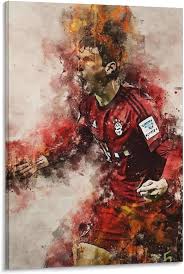
Thomas Müller is one of modern football’s most recognisable figures, known for his game intelligence, versatility and consistent output at the highest level. As a long-serving Bayern Munich forward and a World Cup winner with Germany, Müller’s career offers insight into elite player longevity, tactical adaptability and the role of a modern attacking player. His continued presence at club level and periodic international contributions make developments around him of interest to fans, pundits and young players alike.
Main body: Career highlights and playing profile
Early life and rise through Bayern
Born on 13 September 1989 in Weilheim, Bavaria, Thomas Müller progressed through Bayern Munich’s youth ranks before breaking into the first team in the late 2000s. He quickly established himself as an effective attacker whose positional intelligence—often described by Müller himself as a ‘Raumdeuter’ or space interpreter—allows him to find pockets of danger and link play between midfield and attack.
International and club achievements
On the international stage, Müller made a strong impression at the 2010 FIFA World Cup, finishing as the tournament’s top scorer and receiving the Best Young Player award. He was a member of Germany’s 2014 World Cup–winning squad and has been a regular presence for his country across several major tournaments. At club level, Müller has helped Bayern Munich secure multiple Bundesliga titles and UEFA Champions League victories, including the club’s triumphs in 2013 and 2020. His adaptability—playing as an attacking midfielder, second striker or wide forward—has made him a valuable asset through tactical shifts and squad changes.
Style and leadership
Müller’s strengths are his movement, finishing, and ability to create for team-mates. Beyond statistics, he is valued for his football intelligence, experience in big matches, and leadership within the dressing room, acting as a bridge between younger players and coaching staff.
Conclusion: Significance and outlook
Thomas Müller’s career illustrates how intelligence and adaptability can sustain performance at the top level. For supporters and analysts, he remains a barometer of Bayern’s attacking identity and Germany’s creative options. Looking ahead, Müller is likely to continue influencing games either on the pitch or in a mentoring capacity, and his ongoing role will be watched closely as Bayern and Germany plan for future competitions.