

Understanding the FIFA World Rankings and Their Impact
Introduction
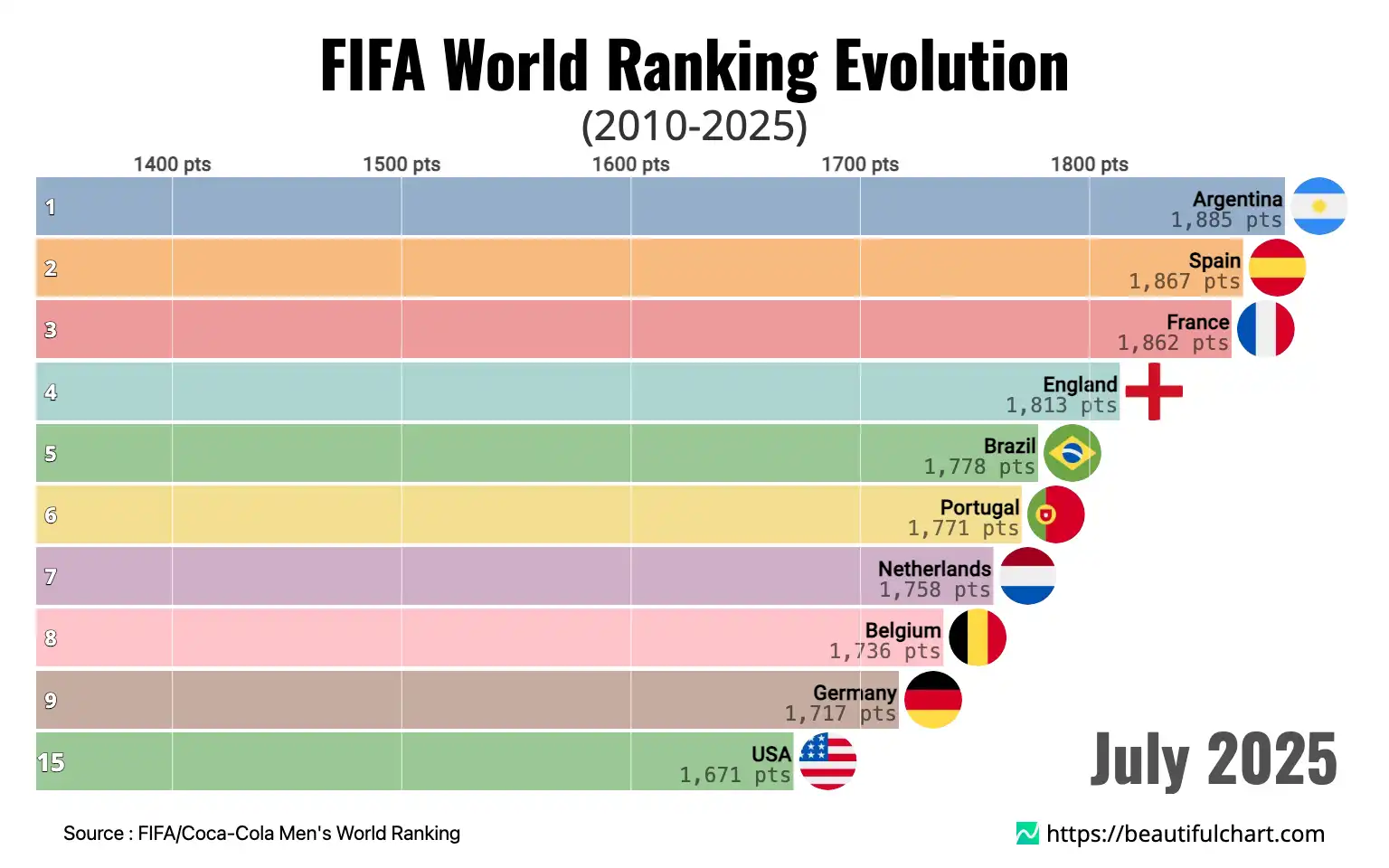
The FIFA World Rankings are a widely recognised barometer of national team performance in international football. Their importance lies in shaping tournament seedings, influencing perceptions of team strength, and affecting commercial and sporting decisions for associations and fans alike. As international fixtures return and competitions approach, the rankings remain a focal point for teams planning qualifying campaigns and supporters tracking progress.
Main body
What the rankings measure
Established as a system to compare national teams, the FIFA World Rankings award points based on match results, the relative strength of opposition and the importance of fixtures. The methodology has evolved since the rankings began in the early 1990s, with a move in recent years towards a system that reflects results more dynamically. The aim is to offer a consistent framework to assess teams across confederations and match types.
How they are used
National associations, coaches and tournament organisers use the rankings for practical decisions. They play a role in drawing groups for major competitions, determining seedings and, at times, influencing funding and sponsorship discussions. For managers and players, movement in the rankings can signal progress or highlight areas needing improvement, while for fans the lists provide a convenient snapshot of where their team stands internationally.
Debate and limitations
The FIFA World Rankings provoke debate. Critics point out that rankings can be affected by fixture scheduling, the frequency of matches and regional disparities in competition. Supporters argue that a transparent and regularly updated system offers a useful benchmark. FIFA has periodically adjusted the methodology in response to feedback, aiming to balance fairness and simplicity.
Conclusion
For readers and followers of international football, the FIFA World Rankings matter as both a practical tool and a talking point. While they do not tell the full story of a team’s quality, they influence tournament mechanics and public perception. Looking ahead, the rankings are likely to remain a key reference for seedings and assessments, even as stakeholders continue to debate refinements to ensure they reflect the contemporary international calendar and competitive balance.